
A continuation is possible, but it hinges on source material readiness, production committee decisions, and whether the next manga era can be shaped into a satisfying season.
At ComicK, our team follows official announcements, studio level production signals, and reliable release patterns to separate real updates from recycled “Season 7” rumors. Next, you’ll get 11 powerful reasons fans still have hope, plus a clear breakdown of what must happen for a true return and how to track credible news without getting baited.
Will Hunter x Hunter Anime Continue?
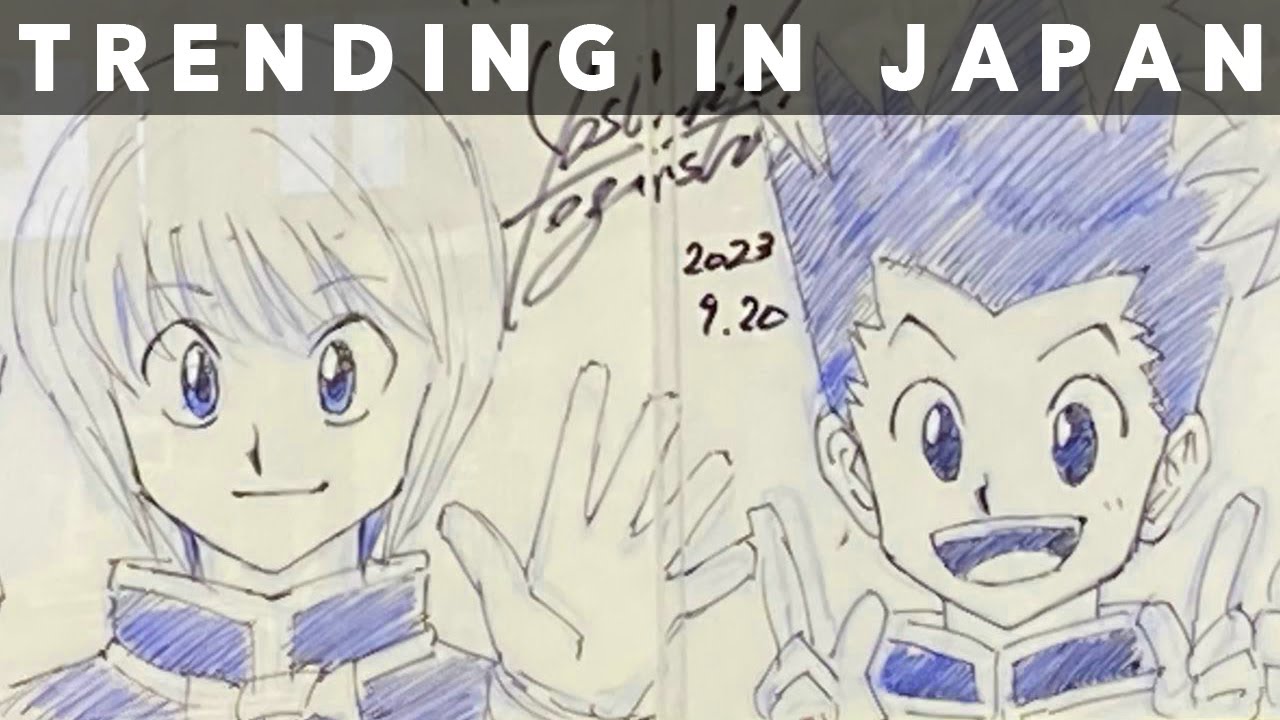
When people ask if Hunter x Hunter will continue, they often mean one of three different things. Clarifying the meaning upfront helps you interpret news correctly and avoid getting whiplash from rumors.
First, some fans mean a direct continuation of the 2011 TV anime past Episode 148, commonly nicknamed “Season 7” even though the 2011 run was a continuous series and streaming platforms split it into seasons for navigation.
Second, others mean any new anime project, including a reboot, a remake-style re-adaptation, a film, an OVA, or a limited series. Third, some mean franchise activity like promotional animation, game tie-ins, anniversary projects, or special videos, which can include new footage without being a TV sequel.
These formats are not interchangeable. A TV continuation requires a production committee, a time slot or streaming window, and a season-shaped narrative plan. A film requires a different box office strategy and a story that can land in a theatrical arc. A special video can be produced on a smaller schedule and does not indicate a full series is coming.
For fans, the key is to judge announcements by what they actually promise: format, scope, and distribution. If those details are missing, treat it as franchise activity, not confirmation of new episodes. This mindset is the difference between being hopeful and being easy to bait.
Why the 2011 anime stopped at 148 episodes in the first place
The 2011 adaptation ending at Episode 148 was not an accident. Structurally, it lands at a natural checkpoint that provides emotional closure while still leaving the broader world open. That is a difficult balance for long-running anime.
Many series either stop abruptly or stretch beyond a clean ending and lose momentum. Hunter x Hunter managed to stop in a way that feels like the end of a major chapter, not the end of the entire story.
From a production standpoint, stopping at a strong breakpoint is also risk management. A continuation needs enough manga material to adapt without immediately catching up, but it also needs an arc that can be shaped into a season with a satisfying finale.
Hunter x Hunter’s post-anime storyline shifts into heavier worldbuilding and complex faction dynamics. That can be brilliant in manga form, but it is harder to serialize in weekly episodes unless the adaptation is carefully paced.
There is also a quality expectation problem. Hunter x Hunter’s reputation rests on smart storytelling, strategic Nen logic, and long-term consequences. If a sequel is rushed, under-resourced, or forced into an awkward episode count, it can damage the brand more than it helps it. Ending at 148 protects the legacy of the adaptation, keeping it highly rewatchable and approachable for new viewers.
In short, the series stopped where it did because it was a clean narrative “exit ramp,” and because continuing immediately would have required a confident, well-shaped plan for what comes next.
The manga factor: material exists, but adaptation-ready is a different question
A continuation lives or dies on the relationship between manga pacing and anime planning. Fans often reduce this to a single question: “Is there enough manga?” In reality, the more important question is: “Is there enough manga that forms a season-shaped narrative unit?”
After the anime endpoint, the story expands into a broader phase that many readers describe as denser and more political. It leans into strategy, factions, rules, and long-term positioning rather than the earlier rhythm of straightforward goals and training arcs.
That is compelling, but it affects adaptation decisions. Dialogue-heavy chapters can produce excellent episodes, yet they require tight series composition so viewers do not feel like they are watching extended exposition without payoff.
There is also the publication cadence reality. Hunter x Hunter is famous for hiatus periods. That does not mean the story cannot be adapted.
It means production committees tend to be cautious about committing to multi-season plans until they can see a stable runway. In practical terms, a committee may prefer to wait until there is enough completed material to produce a season that ends cleanly, rather than launching a sequel that risks stalling.
For fans, the healthiest takeaway is this: the manga is not “the problem,” but it changes the timeline. A continuation needs a confident adaptation plan, not just chapters. If and when the post-anime arc structure reaches a satisfying seasonal breakpoint, the probability of an anime return improves significantly.
The production reality: committees, studios, schedules, and why hype is not enough
Anime sequels are business projects before they are fan gifts. Even beloved franchises need alignment across a production committee, a studio pipeline, and a distribution plan. That is why “everyone wants it” is not sufficient. The project still has to be schedulable, profitable, and deliverable.
A continuation would require staff who can handle complex storytelling: series composition that can translate dense chapters into crisp episodes, directors who can maintain tension without rushing, and animation leads who can keep Nen combat readable and strategic.
This is not purely about “good animation.” It is about clarity. Hunter x Hunter fights often hinge on conditions, information asymmetry, and tactical choices. If staging is unclear, the series loses what makes it special.
Studio availability is another constraint. Even if fans associate the 2011 series with a particular studio identity, studio pipelines change over time. Key staff move, priorities shift, and long series require long commitments.
The same studio, a different studio, or a new collaboration might produce a continuation. That does not automatically mean quality will drop, but it does mean “it must be exactly like 2011” is an unrealistic requirement.
Finally, distribution has changed. Global streaming is now a major driver of greenlights. That can help Hunter x Hunter, because international demand is strong.
But it also means contract windows, regional rights, and release timing can influence when projects are announced and how they are structured. Real continuations tend to come with boring details: format, partners, and timing. Until those appear, treat hype as entertainment, not evidence.
Will hunter x hunter anime continue? 11 powerful reasons fans still have hope
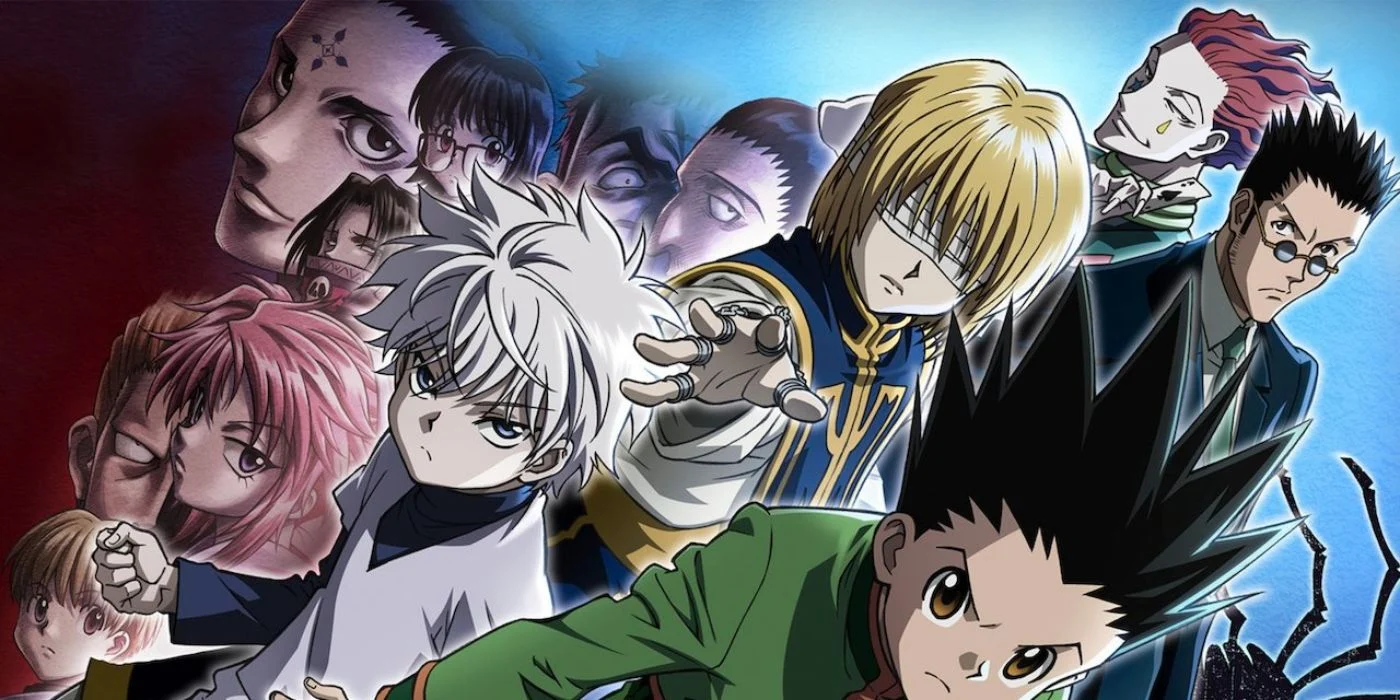
This is the core of the question, and the answer is not blind optimism. It is a realistic case for why Hunter x Hunter remains one of the most sequel-ready dormant franchises, even with the challenges discussed above.
1) The franchise has durable global demand
Hunter x Hunter remains a top “starter anime” recommendation and a common rewatch title. That long-tail demand is attractive to streaming platforms.
2) The 2011 adaptation’s endpoint creates a built-in sequel itch
Ending at Episode 148 feels complete, but it also clearly signals that the world continues. That balance keeps audiences engaged rather than burned out.
3) The post-anime manga material is high-stakes and high-concept
The next phase raises the scale of the story and the complexity of its politics and Nen applications. That is exactly the kind of content that can generate renewed mainstream attention.
4) Modern streaming economics favor strong catalog returns
Platforms compete on recognizable IP. A Hunter x Hunter continuation is the kind of announcement that can drive subscriptions and social conversation.
5) Anime production committees love “event sequels”
A sequel season can be marketed as a major event: new arc, new stakes, new key visual, returning cast. Hunter x Hunter is built for that.
6) The series has proven adaptability across tones
Hunter x Hunter has already shifted from exam survival to underworld thriller to morally complex high stakes arcs. That flexibility reduces the risk of audience drop-off when the tone changes again.
7) Nen is a merchandising and engagement engine
A clear, rule-based power system drives fandom discussion, theory crafting, and repeat viewing. That engagement translates into marketing momentum.
8) The gap creates scarcity, and scarcity increases impact
A long wait can increase the cultural shockwave of a return, provided the return is high quality.
9) A continuation does not need to be endless to succeed
Even a 12-episode or 24-episode season can be successful if it is scoped well and ends cleanly.
10) The brand is still culturally relevant
Hunter x Hunter remains active in memes, rankings, reaction content, and community discussion. That matters when committees assess whether an announcement will cut through the noise.
11) The easiest path is now clearer than it used to be
The industry is more comfortable producing sequels as streaming-first projects, split-cour seasons, or limited series. Hunter x Hunter can return without being forced into an old-fashioned, year-long broadcast model.
The most important point is that hope is rational when it is conditional. Fans should not assume timing, but the business and storytelling ingredients for a return still exist.
What a realistic continuation could look like in format and pacing
If Hunter x Hunter continues, the format is likely to be strategic rather than gigantic. Many fans imagine a massive long-running weekly return, but modern anime often favors seasonal releases or split-cour scheduling for quality control and staff sustainability.
A realistic continuation could be a 12-episode season that introduces the new phase, establishes the core conflict, and ends at a strong cliff that still feels like a finale for a specific sub-arc.
Another plausible model is a 24-episode season or a split-cour approach, where the season is produced as a planned block but released in two parts to manage production load.
The adaptation would also need to embrace what the post-anime story is. It is more political, more strategic, and often more dialogue-driven. That does not mean “less exciting.”
It means excitement comes from information, alliances, betrayals, and Nen conditions, not just spectacle. The best comparison is a thriller that uses superpower rules as leverage.
A continuation would also need careful audience onboarding. Many viewers will return after years away. The opening episodes would likely include subtle reminders about Nen fundamentals and key character states without turning into heavy recap. That is where great series composition matters.
Finally, expectations should be managed about who is “center stage.” Hunter x Hunter’s focus shifts. That shift is part of its identity. A continuation that respects the manga will feel like the story growing outward, not simply repeating the Gon-and-Killua early adventure formula.
How to follow credible updates and what to do while you wait
The fastest way to turn fandom hope into exhaustion is chasing every rumor. A healthier approach is to follow only news that meets a simple credibility threshold: it states the format, identifies official partners, and provides a real timing window. Anything else is speculation.
Build your update habits around official signals rather than social noise. Look for announcements that include concrete language like “new TV anime,” “new season,” “streaming original,” or “theatrical film,” plus production credits. If you do not see those details, treat it as informational, not actionable.
While waiting, there are productive ways to stay engaged:
- Rewatch the 2011 series with an episode-number tracker, since streaming season labels differ across platforms
- Read the manga continuation if you want the story beyond Episode 148
- Explore the 1999 adaptation as a separate lens if you enjoy comparing tone and direction
- Avoid spoiler-heavy searches like “next arc ending” or “who dies,” especially in comment sections
At ComicK, we recommend a simple “three-field tracker” for anyone moving between streaming and reading: version (2011), endpoint (Episode 148), and your current chapter if you read the manga. This eliminates the most common confusion and makes you resilient to platform packaging changes.
FAQ: quick answers about Hunter x Hunter continuing
1) How many episodes are in Hunter x Hunter (2011)?
Hunter x Hunter (2011) has 148 episodes.
2) Will Hunter x Hunter anime continue after Episode 148?
It might, but it depends on production planning and how the manga material can be shaped into a season.
3) Is “Season 7” an official label?
Not really. Many platforms use season labels for navigation, but the 2011 run was a continuous series.
4) Is there more story after the anime ends?
Yes. The manga continues beyond the anime endpoint.
5) Why has it not continued already?
The main constraints are adaptation readiness, manga publication cadence, and production committee scheduling.
6) Would a continuation follow the manga closely?
A high-quality continuation would likely aim for strong manga alignment, with pacing adjustments for episode flow.
7) Could a different studio produce the continuation?
Yes. Studio involvement can change over time depending on committee decisions and availability.
8) Would the tone feel different after the anime?
Many readers find the post-anime material denser and more political, with strategy and factions playing a larger role.
9) What is the safest way to avoid fake announcements?
Only trust news that states format and official partners. Avoid posts that only say “confirmed” without specifics.
10) What should I watch or read next if I want more now?
Rewatch the 2011 series for details you missed, then continue with the manga if you want new story content.
Conclusion: a realistic hope for fans who want the truth
Hunter x Hunter (2011) ends at 148 episodes, and that ending is strong enough to keep the series evergreen while leaving the door open. So, will hunter x hunter anime continue?
It can, and there are solid reasons to believe it remains sequel-ready, but the continuation will only happen when the story can be packaged into a satisfying season and when a production committee can commit to a quality-focused plan.
The best fan stance is conditional optimism: expect nothing on timelines, but recognize that the demand, the brand strength, and the post-anime story potential are real.
If you want to stay excited without being misled, follow only announcements with concrete format details, track your progress by episode number rather than platform seasons, and use ComicK-style organization habits to keep your watch and reading journey clean.
You may also like:
Where Can I Watch Hunter x Hunter 2011? 9 Powerful Places to Stream It Safely
Is Hunter x Hunter Anime Coming Back? 10 Brutal Truths About Season 7
What Chapter Does Hunter x Hunter Anime End? 10 Powerful Answers Fans Need Now
