
Hunter x Hunter is a high-stakes coming-of-age adventure where Gon Freecss enters the ruthless world of licensed Hunters to find his legendary father, only to discover that survival, strategy, and moral choices matter as much as raw strength.
At ComicK, our team has tracked the series across its major arcs and core lore pillars (Hunter Association, Hunter Exam, and the Nen power system) to give new fans a clear, spoiler-safe overview you can trust. Next, you’ll get 11 mind-blowing facts, a practical arc roadmap, and the simplest watch-start guidance so you can jump in with confidence.
What is Hunter x Hunter about at its core?
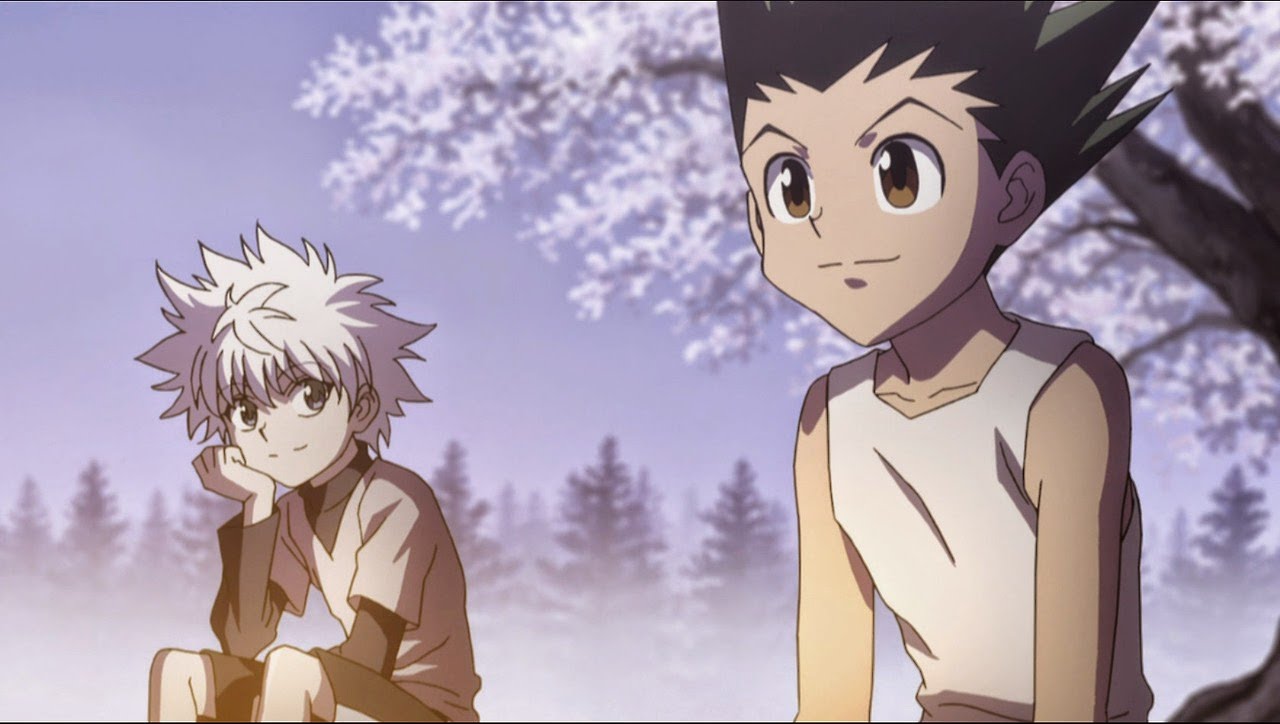
Hunter x Hunter begins with a simple hook: Gon Freecss is a cheerful kid from a small island who learns his missing father is alive and is a legendary “Hunter.” Gon decides to become a Hunter too, believing that reaching the same world will lead him to the truth. That premise sounds straightforward, but the series quickly reveals what “Hunter” really means.
In this universe, Hunters are elite licensed professionals who can pursue rare beasts, hidden treasures, criminal fugitives, unexplored lands, and high-risk research. The license is a golden ticket to resources, status, and access. It is also a target on your back. To earn it, candidates must survive a ruthless qualification process that tests stamina, intelligence, ethics, and psychological resilience.
What makes Hunter x Hunter special is that it does not treat “adventure” as a cute montage. Every step forward has a cost, and every friendship is tested by conflicting goals. The story balances awe and danger, humor and dread, and it often challenges the usual fantasy that determination automatically equals victory. Instead, Hunter x Hunter leans into consequences, trade-offs, and strategy.
At a high level, you can expect: high-stakes exams, mind games, criminal underworld drama, tournament-style progression, and later arcs that feel closer to a thriller than a traditional action anime. Through it all, the emotional center remains the characters and their evolving definitions of strength.
The Hunter Association and the Hunter Exam
The Hunter Association is the institution that governs licensure and, indirectly, the rules of this world. It is not a simple “good guy” organization. It is influential, pragmatic, and sometimes morally ambiguous, which immediately sets the tone: power is not neat, and systems are not designed for fairness.
The Hunter Exam is your entry point, and it is one of the best introductions to Hunter x Hunter’s storytelling style. You will see creative challenges that reward observation and mental endurance as much as physical ability. Passing is not just about being strong. It is about reading people, forming temporary alliances, making hard calls under pressure, and recognizing when “winning” is not the same as “surviving.”
A key point for new fans is that the exam arc is not a prologue you rush through. It establishes the series’ core logic:
- Talent exists, but preparation matters more than you think
- Rules are real, but loopholes are everywhere
- Motivation can be noble, selfish, or both
- A smile does not guarantee safety
The exam also introduces several major players and the idea that danger can arrive wearing charm. Hunter x Hunter likes to put friendly faces next to frightening capability, then ask you to decide who is “right,” rather than telling you. If you enjoy smart competition arcs with genuine tension, the Hunter Exam is your signal that you are in the right place.
The main cast and why the character writing hits so hard
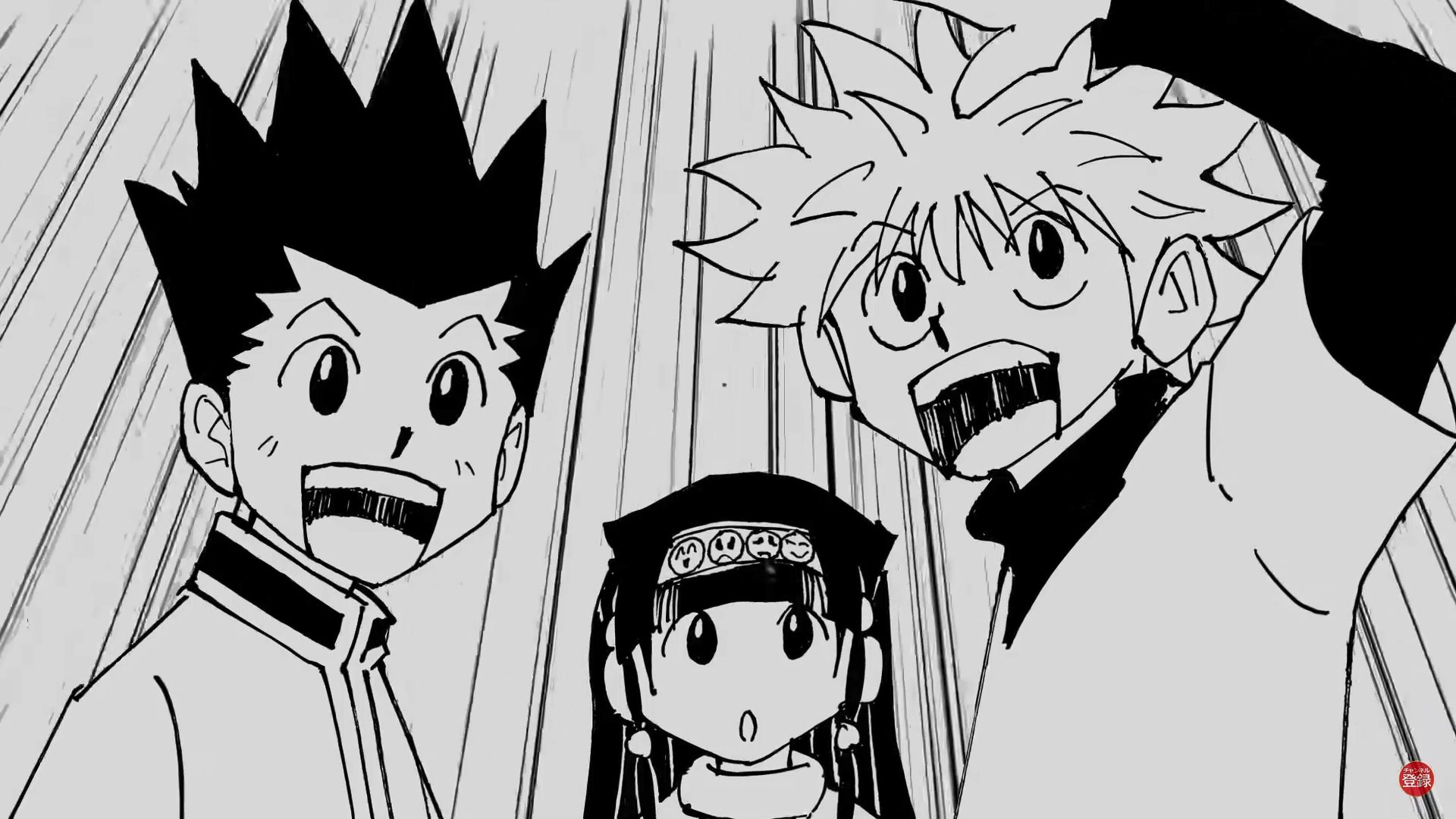
Hunter x Hunter is often recommended for its fights, but many fans stay for the character work. The core group is small enough to follow easily, yet layered enough to keep changing as the stakes rise.
Gon Freecss: optimism with sharp edges
Gon begins as bright and sincere, but the series never treats optimism as pure. He is determined, but also stubborn. As the story grows darker, his single-minded focus becomes both admirable and alarming, which is one reason the show feels psychologically realistic.
Killua Zoldyck: the best kind of “prodigy”
Killua is an assassin-in-training from an infamous family. He has skill, trauma, and a surprisingly gentle desire to live normally. His arc is not just “getting stronger,” but unlearning what he was raised to believe about control, loyalty, and self-worth.
Kurapika and Leorio: goals that bend the story
Kurapika’s drive is rooted in loss and vengeance, bringing a serious, intense energy that pushes the narrative into underworld territory. Leorio starts as comic relief to some viewers, but he becomes a meaningful emotional anchor and a reminder that ambition can come from empathy, not just ego.
The supporting cast: rivals, mentors, and wild cards
Characters like Hisoka, the Phantom Troupe, and various Hunters add unpredictability. Hunter x Hunter thrives on shifting alliances and conflicting priorities, so even “side” characters can become central quickly.
If you value character development, rival dynamics, and friendships tested under pressure, this series delivers in a way that feels earned, not sentimental.
Nen: the power system that turns fights into chess
No discussion of Hunter x Hunter is complete without Nen. In many action anime, power systems become a ladder: more energy, bigger blast, next transformation. Nen is different. It is a structured system with categories, limitations, and rules that reward creativity and planning.
Nen is essentially the disciplined use of life energy (aura), but it is not “one size fits all.” Abilities are shaped by personality, training, and the specific conditions a user accepts. That last part matters: Hunter x Hunter treats restrictions like a real resource. The more severe and meaningful the limitation, the more potent the ability can become. This creates a strategic landscape where intellect and risk tolerance matter as much as raw strength.
Why Nen makes battles feel smarter
- Matchups matter: the same ability can be brilliant or useless depending on context
- Information is power: hiding what you can do is often the best defense
- Vows and conditions create tension: characters gamble with real consequences
- Improvisation is rewarded: winning can come from a clever constraint, not a louder punch
Nen also supports varied fight styles: close-quarters combat, traps, psychological warfare, and abilities that look simple but have deep implications. For new fans, the learning curve is part of the fun. Once Nen becomes central, the series shifts from “who hits harder” to “who thinks better under stress.” It is a major reason Hunter x Hunter is praised for tactical battles and rewatch value.
A spoiler-safe arc roadmap of the 2011 anime
If you are deciding whether the show is “your kind of series,” it helps to know what each major stretch feels like. Below is a spoiler-safe arc roadmap for the 2011 adaptation’s 148 episodes, described by tone and appeal rather than plot reveals.
Early arcs: survival, competition, and discovery
The opening portion mixes adventure anime energy with intense trials. You get puzzle-like challenges, unusual environments, and introductions to the ethics of this world. It is accessible, fast-moving, and great for hooking new viewers.
Middle arcs: underworld tension and game-like progression
The story begins to focus more on high-stakes consequences, criminal networks, and strategic planning. This is where many viewers realize Hunter x Hunter is not interested in simple hero narratives. You also see training that feels grounded because it has rules and costs.
Later arcs: moral complexity and psychological pressure
As the series progresses, the tone can become darker and more philosophical. Conflicts are not always about good versus evil. They can be about survival, identity, and what power does to people. Some arcs are emotionally heavy, but they are also where Hunter x Hunter earns its reputation for depth.
Final stretch: resolution with a meaningful stopping point
The anime ends at a moment that feels like the close of a long chapter. You may still want more (the manga continues), but the endpoint is not random. It is designed to leave you with closure on key themes while keeping the larger world open.
If you want a quick rule of thumb: the further you go, the more the series shifts from classic shonen to thriller-like storytelling with serious stakes.
How Hunter x Hunter subverts shonen tropes without losing the fun
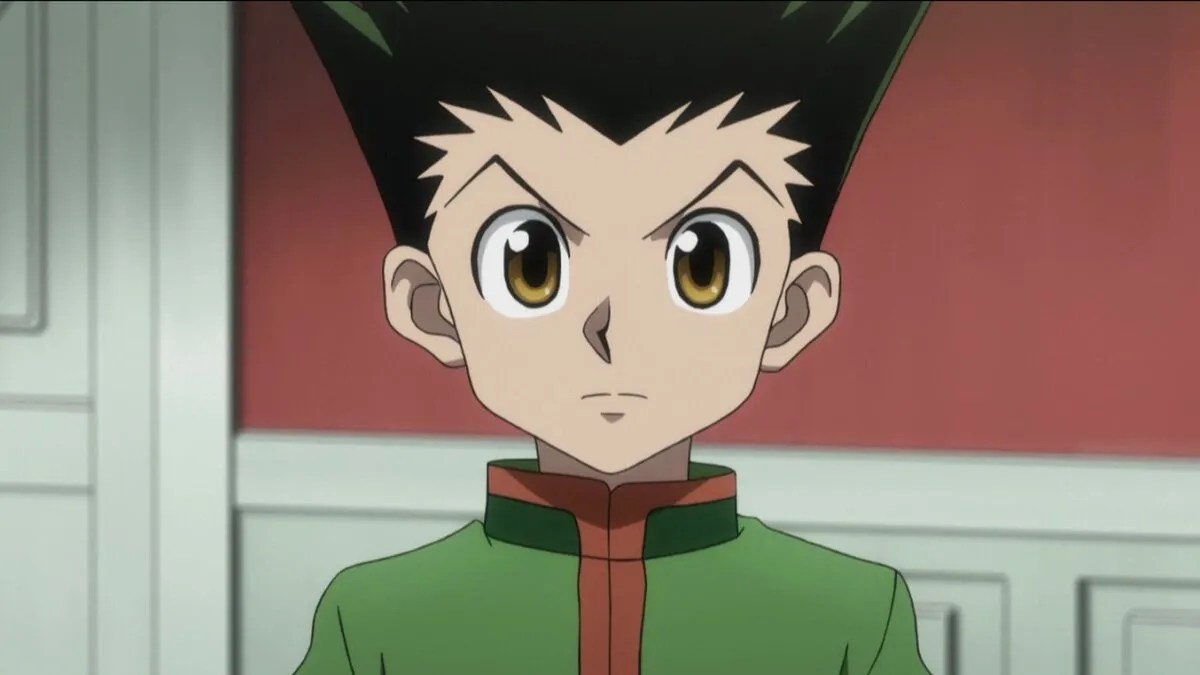
Hunter x Hunter is often grouped with other shonen classics, but it plays with the formula in ways that feel fresh. It still has adventure, training arcs, rivalries, and spectacular action, yet it refuses to guarantee comfort.
First, the series treats consequences as real. Choices echo across arcs, and victories do not always feel clean. Sometimes the “right” decision is unclear, and sometimes characters you like make decisions you cannot defend. That moral ambiguity is not a gimmick. It is part of the show’s DNA.
Second, it avoids the idea that determination alone solves everything. Hard work matters, but so do talent gaps, information advantages, and psychological limits. In many fights, the turning point is not a sudden power-up, but a smart read of the opponent’s conditions, a calculated sacrifice, or a refusal to play by the expected rules.
Third, Hunter x Hunter is unusually patient with tone shifts. It can be funny, light, and adventurous, then turn serious with little warning. That unpredictability keeps tension high, because the series trains you not to assume safety based on genre patterns.
Finally, it respects the audience. It expects you to follow rules, remember details, and think about motivations. If you like worldbuilding, tactical battles, and stories that grow more complex over time, Hunter x Hunter delivers a rare combination: entertainment that is genuinely challenging without becoming inaccessible.
11 mind-blowing facts new fans should know before starting
These are not spoilers. Think of them as “orientation points” that help you appreciate what the series is doing, especially if you are coming from more straightforward action anime.
1) The “Hunter” job is intentionally broad
Hunters are not just fighters. They can be archeologists, bounty hunters, gourmet experts, explorers, or researchers. This flexibility fuels varied arcs and genres inside one story.
2) The license changes the entire game
Becoming a licensed Hunter is not a medal. It is leverage: money, access, and opportunities. It also attracts enemies and responsibilities.
3) The show rewards attention to rules
Hunter x Hunter is packed with systems: exam rules, social rules, underworld politics, and Nen conditions. The details matter, and the payoff is satisfying.
4) Power is built on trade-offs, not pure “levels”
Nen is famous because limits create strength. The best abilities are often the ones with strict conditions, not the flashiest visuals.
5) Your favorite character might not be “safe”
The series does not protect characters just because they are popular or “important.” Tension stays real because outcomes are not guaranteed.
6) It shifts genres more than most long-running anime
At different points it can feel like a tournament arc, a heist thriller, a dark fantasy, or a psychological drama, without losing coherence.
7) The villains are not cardboard cutouts
Antagonists often have motives, values, and internal logic. You may not agree with them, but they are rarely lazy writing.
8) Friendship is central, but not idealized
Relationships are tested by fear, pride, and trauma. Bonds matter, but they do not automatically fix people.
9) “Training” is often about mindset and constraints
Progression is not only muscle and aura. It is learning how to think, how to plan, and when to walk away.
10) The anime ends at a strong stopping point, but not the full end
The 2011 anime concludes at episode 148 with meaningful closure, yet the manga continues beyond that point.
11) It is highly rewatchable
Because rules and foreshadowing matter, many scenes gain new meaning on a second watch. That is why fans keep recommending arc guides and rewatch threads. On ComicK, this is one of the few series where “rewatch value” is not just a slogan, it is a practical reality.
Where to start: 2011 vs 1999, watch order, and common beginner mistakes
If you want the cleanest entry, start with Hunter x Hunter (2011) and watch straight through all 148 episodes. It is the most complete anime adaptation, the easiest to find, and the version most people reference when discussing arcs.
The 1999 adaptation is best treated as an alternate interpretation with a different atmosphere and pacing, plus OVAs that extend it. It can be rewarding after you already love the story, but it is not the simplest first step because streaming catalogs often split and label the OVAs inconsistently.
Recommended watch approach for most new fans
- Watch Hunter x Hunter (2011), episode 1 through 148
- If you want more story, transition to the manga continuation after the anime endpoint
- Optional: watch the 1999 series later for comparison and nostalgia
Sub vs dub, and “seasons” on streaming
Do not rely on “Season 1, Season 2” labels. Platforms package anime differently. Always track progress by episode number and arc name. Subbed vs dubbed does not change the episode count, but the tone can feel different depending on voice direction. Choose the version that keeps you engaged.
Beginner mistakes to avoid
- Skipping “slow” setup episodes that establish rules and motivations
- Confusing arc transitions with filler (Hunter x Hunter has relatively little filler)
- Mixing 1999 and 2011 mid-watch, which creates continuity whiplash
If you want a simple tracker, keep a note that ties your progress to episode numbers. That is the easiest way to stay spoiler-safe and consistent, which is also how many ComicK readers keep their watchlists tidy.
FAQ: What new viewers ask most often
1) What is Hunter x Hunter about in one sentence?
A boy becomes a Hunter to find his father and discovers a dangerous world where strategy, morality, and consequences matter.
2) How many episodes are in Hunter x Hunter (2011)?
There are 148 episodes in the 2011 anime adaptation.
3) Is Hunter x Hunter a shonen anime?
Yes, but it frequently subverts typical shonen tropes with darker themes and more tactical storytelling.
4) Does Hunter x Hunter have a good power system?
Yes. Nen is widely praised for its rules, conditions, and strategic depth.
5) Is the anime finished?
The 2011 anime ends at episode 148 with a strong stopping point, but the manga continues beyond it.
6) Do I need to watch the 1999 version first?
No. Most new fans should start with 2011, then try 1999 later if they want an alternate take.
7) Is Hunter x Hunter very dark?
It starts adventurous, but later arcs can become intense, morally complex, and emotionally heavy.
8) Are there filler episodes?
The 2011 adaptation has minimal filler; most episodes contribute to plot, rules, or character development.
9) What are the main themes?
Coming-of-age, friendship, identity, obsession, sacrifice, and the cost of power.
10) Who are the main characters?
Gon, Killua, Kurapika, and Leorio are the core group, with many major supporting characters and rivals.
If you are still asking what is hunter x hunter about after the first episode or two, the answer will start to evolve in a good way: it is not only an adventure about reaching a goal, but a story about what ambition does to people and what it costs to keep moving forward. Start with the 2011 run (148 episodes), track by episode number rather than streaming “seasons,” and let the arcs deepen naturally.
If you want a companion-style roadmap as you watch, ComicK-style arc checklists and episode tracking habits make the experience smoother, especially once the series shifts into its more strategic, high-stakes phase.
You may also like:
Chainsaw Man Characters: 10 Unforgettable Figures That Will Leave You Speechless
How Many Episodes Does Hunter x Hunter Have? 5 Surprising Facts You Need to Know!
Is Chainsaw Man Manga Over? 10 Shocking Facts You Need to Know
