
No, the main Blue Lock manga is still ongoing, and most “it ended” claims come from confusing a completed spin-off, a major arc finale, or a temporary release gap with the actual series conclusion. In this ComicK guide, we verify the status using publisher-level signals and release context, then break down the 4 dramatic clues that consistently expose why the manga is not done yet.
You’ll learn what’s truly finished vs still running, how to spot “false endings” fast, and what real end-of-series confirmation would look like when it finally happens. Ready to catch the clues most fans miss? Let’s dive in.
Is Blue Lock Manga Finished? What’s Actually Going On Right Now
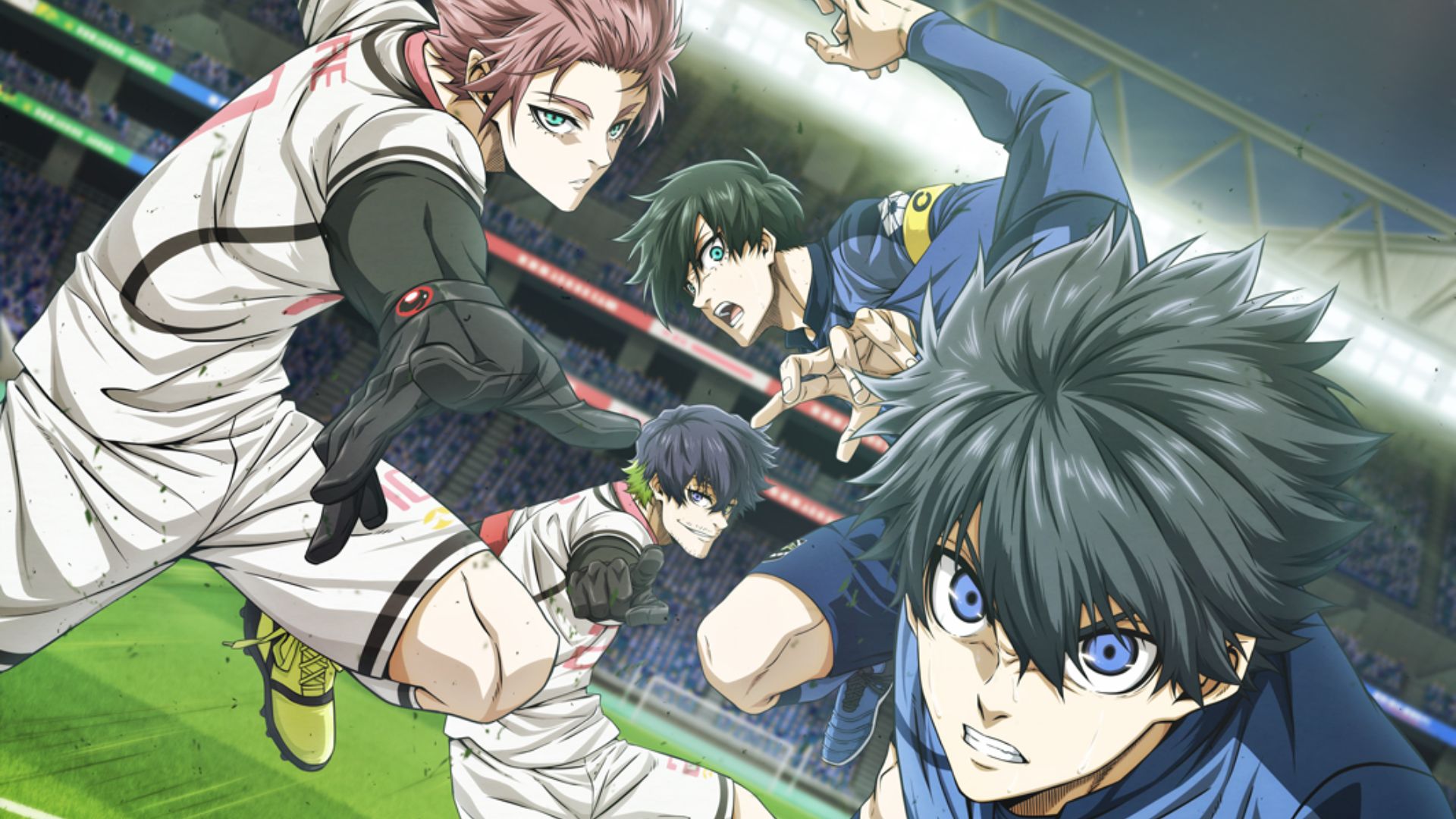
Let’s separate the two things people often blend together.
- The main Blue Lock manga is not finished. It is still running.
- A Blue Lock spin-off has ended. This is where many “Blue Lock ended” headlines originate, and then get reshared without context.
Once you keep those two facts separate, most confusion disappears.
Why So Many Fans Think Blue Lock Is Finished
If you searched is blue lock manga finished, chances are one of these situations happened:
- You caught up to the latest chapter and found no immediate next chapter, so it felt like a conclusion.
- Your site or app displayed an “end” label that actually belonged to a different Blue Lock title.
- You saw “final volume” or “final chapter” in a headline and did not notice it referred to a spin-off.
- You finished a huge arc and it felt like a natural stopping point.
- You came from the anime and assumed the manga might have wrapped up while adaptations continued.
Blue Lock is structured to create climaxes that feel like season finales. That is part of its appeal, but it also creates constant “ending illusions.”
The 4 Dramatic Clues Fans Keep Missing
Clue: The publisher’s status is the fastest reality check
The most dependable way to answer “is it finished?” is not social media, not comment sections, not TikTok summaries, and not “leak” accounts. It is the publisher’s own listing.
Publishers maintain official series pages for sales and licensing reasons. When a title ends, that status matters commercially and it gets reflected clearly. The simplest practical takeaway is this:
- If the official publisher listing still indicates the series is ongoing, then the main manga is not finished.
ComicK team share: Whenever readers message us “Did it end?”, we ask them to verify the publisher status first. It is the quickest way to avoid wasting time on recycled misinformation.
Clue: A spin-off ended, and people keep mistaking that for the main story
This is the most common source of the “Blue Lock ended” claim.
Blue Lock has related titles, including a prominent spin-off. When that spin-off concludes, headlines often use the phrase “Blue Lock” in large text, then specify the spin-off in smaller text. That is enough to confuse casual readers and fuel reposts like “Blue Lock is finished.”
Here is how to think about it:
- Main series ending: Would be treated as a franchise-level event, with major marketing, clear final-chapter messaging, and widespread “conclusion” framing.
- Spin-off ending: Is significant but narrower. It concludes a side narrative, not the main narrative engine.
If you see “final chapter” or “final volume,” always check the exact title. If it includes a subtitle like “Episode [Name]” or explicitly indicates it is a spin-off, it is not proof the main manga ended.
Clue: The story’s central promise has not been fully paid off yet
Even without any publication data, Blue Lock’s narrative logic tells you it is not finished.
Blue Lock is built around a long-term promise: forging the ultimate striker, then proving that striker at the highest level. A story like this typically ends only when one of these happens:
- Fulfillment: The program produces the striker, and that striker is validated on the biggest stage.
- Rejection: The story deliberately rejects its initial premise and makes that rejection the point.
Blue Lock’s writing consistently signals escalation and payoff, not abandonment. That matters because it tells you what the ending must include to feel complete.
To end properly, the series still needs to resolve several “must-answer” narrative debts, such as:
- The final form of the protagonist’s identity as a striker.
Not just a hot streak, but a stable definition of what makes him elite. - A definitive resolution of the ideology conflict.
Blue Lock is not just soccer. It is an argument about ego, creativity, structure, and how greatness is built. - A true “world benchmark” validation.
The series constantly raises the level of competition. When a sports manga is near its end, the competition stops expanding and starts converging into a final proving ground.
If those things are still in progress, the story is not structurally ready to conclude.
Clue: Ongoing franchise investment usually aligns with an ongoing main manga
This clue should not be treated as absolute proof, but it is a strong supporting signal.
When a franchise commits to major future projects, that often indicates confidence in continued momentum. Adaptations, marketing, and product cycles are planned around ongoing audience engagement, which is typically easier when the source material remains active.
What to do with this clue:
- Do not use it alone as your evidence.
- Use it as confirmation that your “ongoing” conclusion is consistent with how the franchise is operating.
If the main manga were truly finished, you would normally see messaging shift toward “final season,” “the conclusion,” “the last chapter,” and “the legacy run.” If you are not seeing that kind of finality language across the official ecosystem, that is another reason to be skeptical of “it ended” claims.
What Fans Confuse With “Finished”
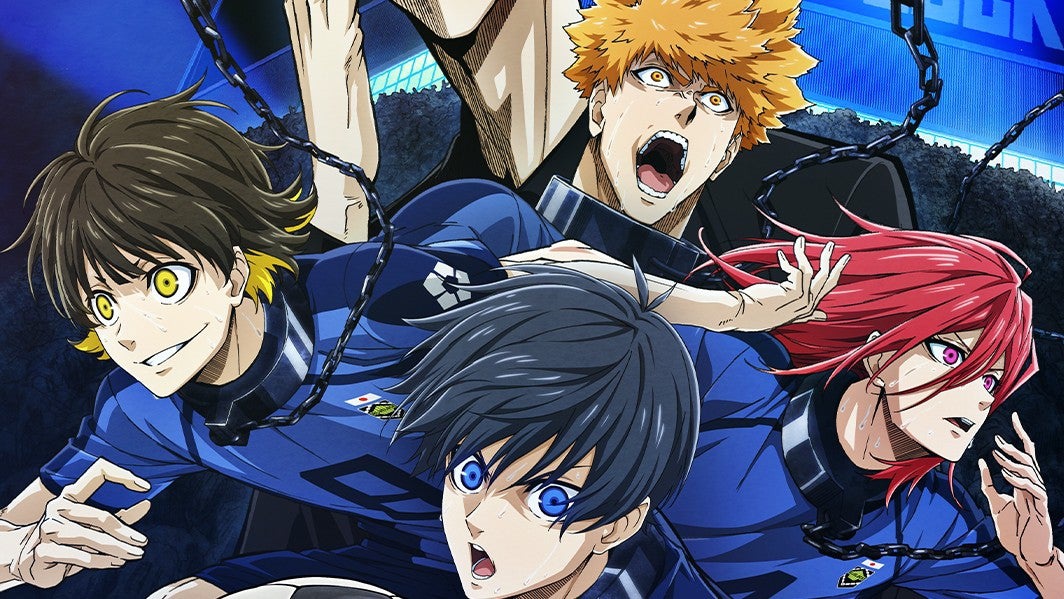
There are several recurring triggers that make people assume a manga ended even when it did not.
“I reached the latest chapter” is not the same as “the story ended”
If you binge chapters, the latest release can feel like a final episode. Then you look for the next chapter and find nothing. That gap creates a false ending feeling.
In reality, you may simply be caught up to:
- the most recent chapter currently available in your region
- the most recent chapter available on your platform
- a release gap caused by magazine scheduling or author breaks
Big arc conclusions are designed to feel like endings
Blue Lock arcs often end with:
- a climactic match
- a major selection shift
- a dramatic reevaluation of who matters
- a new phase announcement that redefines goals
That is end-of-season structure. It creates satisfaction and momentum, but it is not necessarily a series finale.
“Final volume” headlines are frequently about side titles
When you see “final volume,” ask:
- Which title, exactly?
- Is it the main Blue Lock serialization, or a spin-off with its own run?
A spin-off can end cleanly while the main story continues for years.
How to Verify Blue Lock’s Status in Under a Minute
If you want a repeatable method that does not depend on opinions, use this checklist.
Check the official publisher listing
Look at the status field and recent releases. If it still indicates ongoing publication, treat that as your default truth.
Confirm the exact title of any “ending” headline
If a headline says “Blue Lock ended,” open it and verify:
- Is it about the main manga?
- Is it about a spin-off?
- Is it about an arc ending, not the series ending?
Cross-check with recent volume release patterns
When a manga is finished, volume releases usually move into “complete set” marketing and the release cadence changes. If new volumes and new chapters continue to arrive as part of active serialization, the series is not finished.
ComicK team share: When readers want certainty, we tell them to trust the boring signals. Status fields and release listings do not go viral, but they are rarely wrong.
What “Finished” Would Look Like When It Actually Happens
When the main Blue Lock manga ends, you will almost certainly see multiple signals at once. A real ending is loud and coordinated.
Expect a combination such as:
- Explicit “final chapter” announcement from the magazine or publisher
- Clear “final arc” marketing language attached to the main title
- Final volume countdown messaging
- Creator statements acknowledging completion
- Widespread official promotion framing it as the conclusion of the main story
If you are not seeing a coordinated set of signals like that, it is unlikely the main manga has finished.
So, How Close Is Blue Lock to Ending?
This is the question people ask right after learning it is not finished.
The honest answer is: it depends on how you define “close,” and on how many major narrative tasks remain. Blue Lock is not a story that ends by simply crowning a winner of a single tournament. It must finish in a way that resolves both:
- The competitive journey (who becomes the striker, how they evolve, what they defeat)
- The ideological thesis (what kind of striker wins, what ego means, what the system produces)
A useful way to estimate proximity is to watch whether the story is:
- still introducing new competitive frameworks and rival standards
- still expanding the cast of meaningful rivals
- still escalating the stage beyond domestic proving grounds
If escalation is still happening, the story is likely not in its final segment yet.
The Four Clues Applied to Real-World Fan Confusion
Let’s map the four clues to the most common fan misunderstandings.
“I heard it ended at Volume X”
This often indicates a spin-off. Apply clue two: verify the exact title. The main manga’s ending would not quietly slip by as a “Volume X ended” rumor without major official messaging.
“The arc ended so the manga must be over”
Apply clue three: arc ending does not equal premise payoff. Blue Lock’s premise is larger than one arc. The story is built to move from stage to stage.
“No new chapters showed up this week”
Apply clue one: check official status. Apply basic serialization reality: breaks happen.
“Anime news means the manga is done”
Apply clue four correctly: adaptations signal investment, not completion. If anything, ongoing adaptation planning often aligns with ongoing manga momentum.
A Practical Reading Mindset: How to Enjoy Blue Lock Without “Ending Anxiety”
A lot of readers fall into a loop:
- catch up
- panic about whether it ended
- chase rumors
- get spoiled
- repeat
If you want a healthier way to follow the series:
- Treat Blue Lock like a seasonal sport.
You do not assume the league ended because there is an off-week. You check the schedule. - Separate arc closure from series closure.
Arc closure is designed to feel satisfying. Series closure is a different level of resolution. - Follow official status signals first.
That prevents wasted time.
At ComicK, our simplest advice is: if the story still has meaningful competitive escalation and unresolved thesis debates, it is not done.
What “Ongoing” Means for New Readers
If you are new to Blue Lock and you found this article while deciding whether to start, “ongoing” is usually good news.
It means:
- You can binge a large backlog.
- You can participate in current fan discussion without being years behind.
- You can experience arc climaxes as they release, which is how the series is designed to be felt.
The main trade-off is patience. Ongoing series require waiting between chapters and accepting that big answers arrive on the author’s schedule, not yours.
The Bigger Context: Why Sports Manga Rarely End Abruptly
Blue Lock sits in a tradition of sports manga that generally end in one of a few ways:
- The protagonist achieves the defining professional milestone, and the story closes shortly after with an epilogue.
- The team or player wins the final tournament that represents the thesis, and the story wraps.
- The story ends on a symbolic “arrival” at the elite level, implying the career continues.
Blue Lock’s premise strongly suggests it will aim for a milestone that feels like the definitive proof of its philosophy. That is why it is unlikely to end abruptly without a very explicit and deliberate narrative pivot.
FAQ
Is blue lock manga finished?
No. The main Blue Lock manga is still ongoing.
Why do so many people say Blue Lock ended?
Most often because a spin-off concluded, or because a major arc ended with finale-level intensity and people misread that as the series conclusion.
Is “Episode Nagi” finished?
A prominent Blue Lock spin-off has concluded, which is a major source of confusion. Always verify whether an “ending” headline refers to the spin-off or the main manga.
Is Blue Lock in its final arc?
There has not been a clear, universally agreed “final arc” framing for the main manga that functions as a final-chapter countdown. The safest conclusion remains that the main story is ongoing.
How can I confirm whether the main manga is still ongoing?
Check the publisher’s official series status, confirm recent chapter activity, and verify that any “final volume” headlines are not about a spin-off.
Does a break between chapters mean the manga ended?
No. Breaks are normal in serialization. A pause is not a finale.
Could Blue Lock end soon even if it is still ongoing now?
It could, but a real ending would usually come with clear official “final chapter” messaging and coordinated marketing across the franchise.
Is the anime ahead of the manga?
No. In general, anime adaptations do not permanently surpass an active manga source. If you feel the anime “caught up,” it usually means the adaptation pace is being managed.
Should I wait until Blue Lock finishes before starting?
If you dislike waiting, you can wait. But if you enjoy weekly discussion and cliffhangers, starting while it is ongoing is part of the fun. Many readers prefer binging the backlog, then reading weekly.
What is the fastest way to avoid misinformation about Blue Lock ending?
Use a three-step filter:
- Official publisher status first
- Verify the exact title in headlines
- Treat social media certainty as speculation until confirmed
You may also like:
Does L Die in Death Note? 5 Brutal Facts Fans Hate to Admit
When Did Death Note Come Out? 5 Powerful Facts That Set the Record Straigh
How Many Seasons of Death Note Are There? 9 Explosive Details You Need to Know
