
Where to watch The Beginning After the End depends on your region, but the safest legal picks are Crunchyroll in many countries and Netflix in select markets, plus “buy to own” options on major digital stores. Right now, the anime has 12 episodes available to stream (Season 1), so you can finish the current run fast once you find the correct licensed platform.
To keep this guide accurate, we cross-check official catalogs, regional licensing patterns, and common storefront listings, then translate that into a simple watch plan you can follow without chasing sketchy links.
Many fans also use ComicK as a quick tracker to stay aligned with arcs after watching. Next, we’ll break down the 9 most trusted options, how to confirm availability in your country, and the cleanest way to watch in order.
Where To Watch The Beginning After The End: The 9 Options Fans Trust
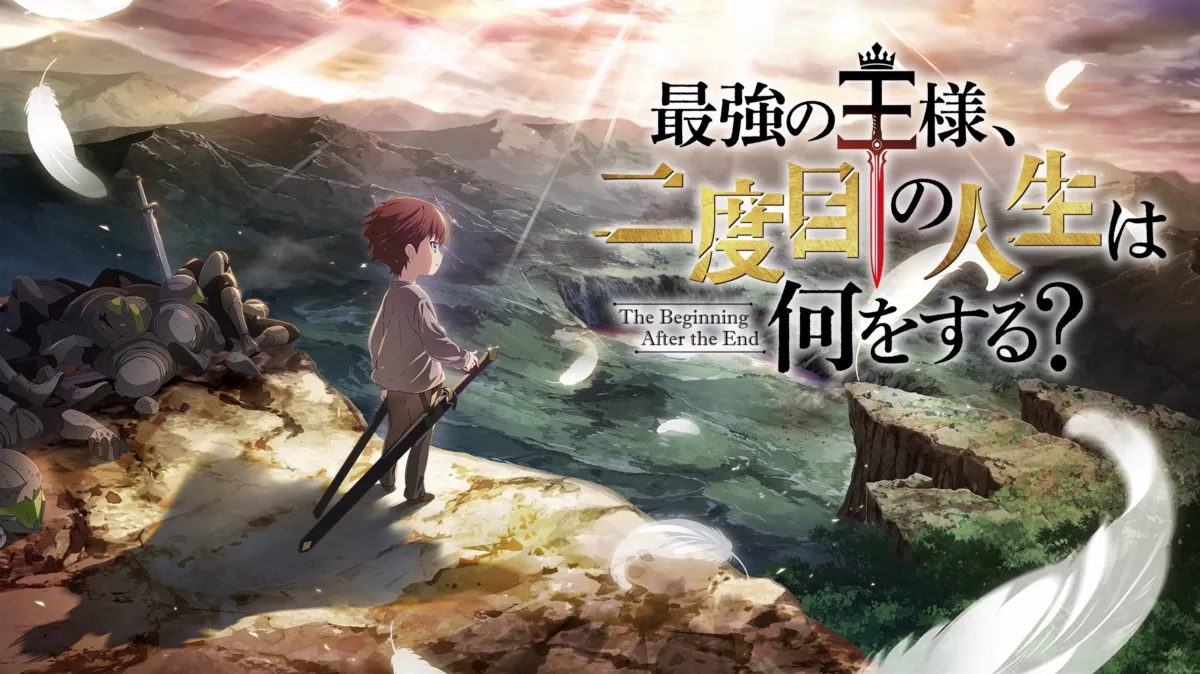
Here are the nine most practical, legit routes people use when asking where to watch the beginning after the end. Some are subscriptions, some are add-on channels, and some are “buy once, keep forever” digital purchases.
- Crunchyroll (Subscription)
The primary streaming home in many countries, often with multiple subtitle tracks and app support across devices. - Crunchyroll (Free Tier or Trial, Where Offered)
In some regions, Crunchyroll offers limited free viewing, promotional windows, or trials that can cover a binge weekend. - Netflix (Select Countries)
In parts of Asia, the series has shown up in Netflix catalogs, often with offline downloads and strong smart TV support. - Crunchyroll Amazon Channel (Prime Video Channels)
If you prefer managing subscriptions inside Prime Video, this is the “Crunchyroll inside Prime” route. - Amazon Video (Buy Episodes or Season)
A straightforward TVOD option (transactional video on demand) if you want to pay per episode or buy the season. - Apple TV Store (Buy Episodes or Season)
Another TVOD lane, often convenient for iPhone, iPad, Apple TV hardware, and family sharing setups. - Fandango At Home (Buy Season)
A purchase option that appeals to viewers who want to “own” digitally and avoid subscription stacking. - JustWatch (Availability Checker + Direct Click-Out)
Not a streamer itself, but the fastest way to confirm what is legal in your country today and jump directly to the service. - Apple TV App (Aggregator Watchlist + One-Click Provider Switching)
The Apple TV app can function as a central hub that points you to the right provider (subscription or purchase) without re-searching every time.
These options cover nearly every legitimate viewing situation: “I want the cheapest subscription,” “I want Netflix convenience,” “I want to buy the season,” or “I just want the safest link in my region.”
Crunchyroll: The Main Home For Sub And Dub In Most Regions
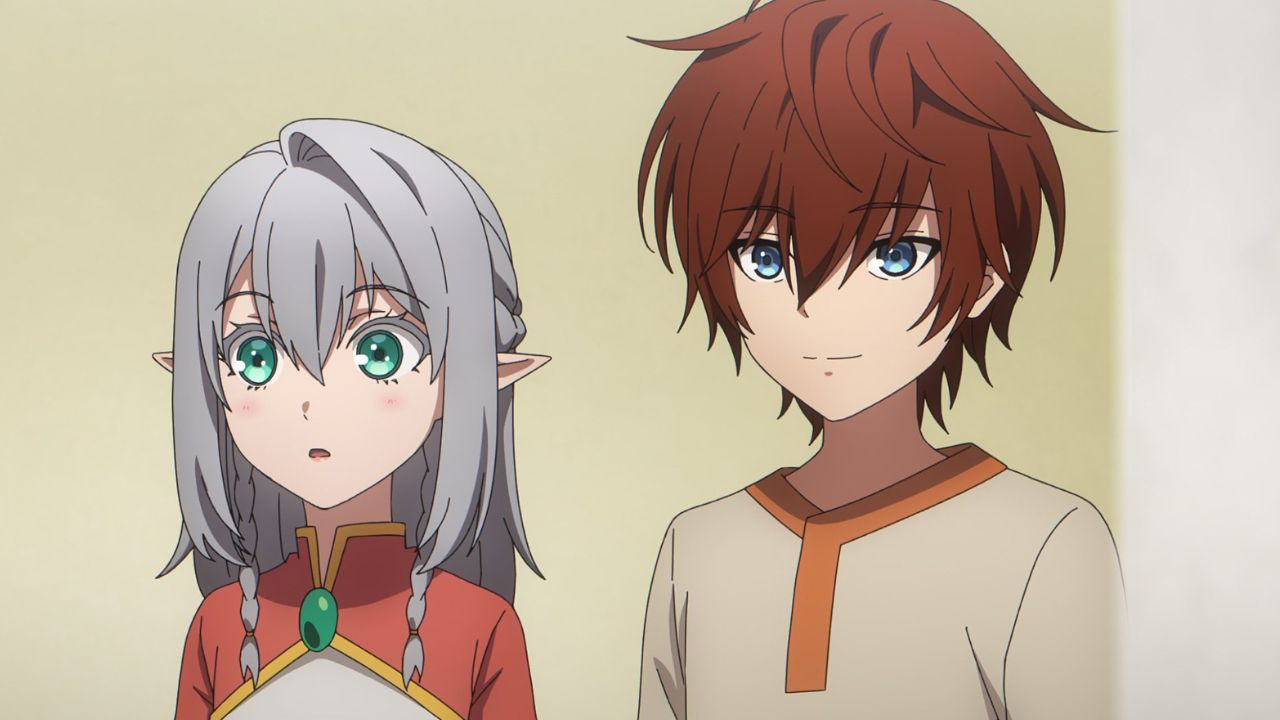
For most viewers, Crunchyroll is the default answer because it is built around seasonal anime distribution and fast episode delivery. If your goal is to watch The Beginning After the End in the cleanest “anime-native” experience, Crunchyroll tends to offer the best combination of subtitle availability, playback reliability, and device support.
The practical advantages are simple. You usually get Japanese audio with subtitles, and depending on region, you may also get an English dub (or additional dubs) later in the cycle. Crunchyroll is also designed for anime watching habits: continue watching queues, episode autoplay, quick skip intros (where available), and cross-device syncing. If you bounce between phone, tablet, and smart TV, this ecosystem saves time.
The biggest thing to understand is that Crunchyroll availability can be territory-based. Some pages show “currently unavailable in your location” even if the show exists elsewhere. That is not a glitch. It is licensing. If you do not see it, the correct move is not hunting random stream sites. The correct move is checking your local catalog (or using an availability tracker) and then choosing a legal purchase option if needed.
Crunchyroll can also be accessed through different billing paths. Some users prefer subscribing directly, while others prefer the Amazon Channel route so everything sits inside Prime Video. The content can overlap, but app features, pricing, and region rules can differ, so you should pick the path that matches your devices and budget.
Netflix: The Surprise Region Option And How To Tell If You Have It
Netflix is the most misunderstood platform for this series because it is not uniformly available worldwide. When fans say, “It’s on Netflix,” they might be speaking from a specific country catalog, especially in Asia. Meanwhile, viewers elsewhere will search Netflix and find nothing, then assume the only option is an unofficial site. That is exactly how people get burned.
If The Beginning After the End is available in your Netflix region, Netflix becomes a very comfortable way to watch. The interface is familiar, performance is stable on smart TVs, and offline downloads are easy for commutes. Netflix also tends to handle subtitles cleanly, and it is usually good at maintaining playback quality when your connection fluctuates.
How do you check quickly without wasting time? Search the exact title inside your Netflix app first (not Google results). If it appears, open the season page and confirm episode count and language options. If it does not appear, do not assume it is “hidden.” It is likely not licensed in your region at the moment.
Netflix also affects “community advice.” You will see viewers discuss episode drops like a full season dump, while others experienced weekly releases elsewhere. Both can be true depending on how Netflix acquired the rights. That difference changes how you binge, how you avoid spoilers, and how you interpret “new episodes.”
The clean rule: treat Netflix as a region-specific bonus. If you have it, it is one of the easiest ways to watch. If you do not, pivot to Crunchyroll or a purchase storefront instead of chasing unstable links.
Prime Video Paths: Crunchyroll Channel Vs Buying Episodes
Amazon is an unusually strong “backup plan” because it offers two different routes that look similar but behave differently: Prime Video Channels (like the Crunchyroll Amazon Channel) and Amazon Video purchases (TVOD).
Crunchyroll Amazon Channel (Subscription Inside Prime)
This is best if you already live in the Prime Video app and want fewer separate subscriptions. You subscribe to Crunchyroll as an add-on channel, then stream inside Prime Video. For households that share a Prime account, this can simplify billing and make it easier for non-anime fans to find the show.
The tradeoff is that channel catalogs and features can vary by region, and sometimes the experience is not identical to using the Crunchyroll app directly. If you care about anime-first features like certain subtitle tracks, quick episode navigation, or specific UI behaviors, you may prefer direct Crunchyroll.
Amazon Video (Buy Episodes or Season)
This is the “own it digitally” route. You pay per episode or buy the season, then keep access in your library without maintaining an anime subscription. It is often ideal for viewers who dislike juggling multiple streaming services or who want stable long-term access.
If you are trying to minimize total cost, compare monthly subscription price versus the season purchase price. If you binge in a weekend, a subscription month can be cheaper. If you want permanent access and rewatch value, purchases can win.
Apple TV And Fandango At Home: Best For Digital Ownership
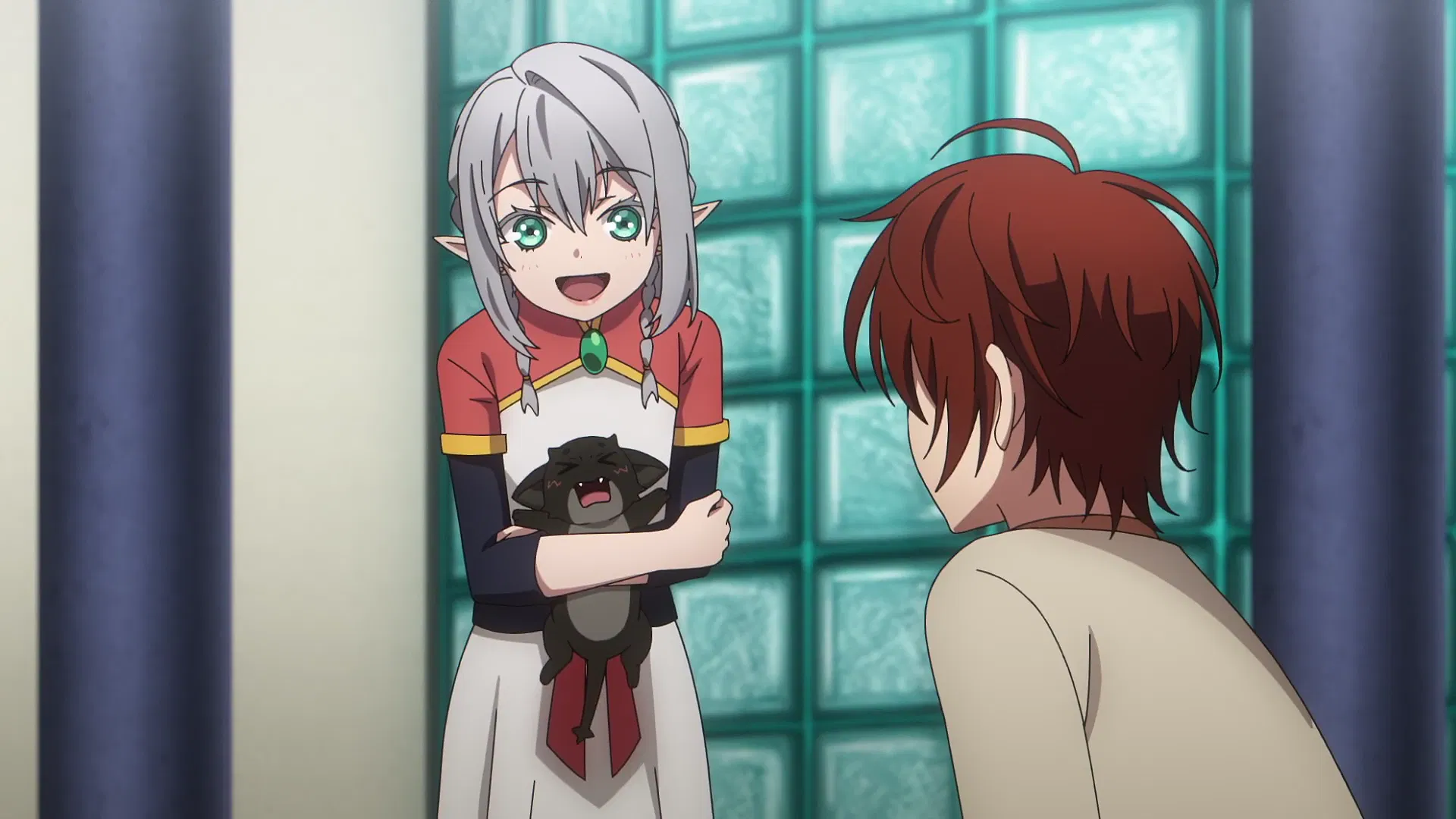
If your priority is “I want to watch legally, and I do not want to maintain yet another subscription,” digital storefronts are your best friend. Apple TV and Fandango At Home are two common choices for that approach.
Apple TV Store
Apple’s ecosystem is built for frictionless playback across iPhone, iPad, Mac, and Apple TV boxes. Buying episodes or a season through Apple can also be convenient for households that already use Apple services and want everything in one library. In practice, Apple’s playback stability and device handoff are excellent, especially if you often switch screens mid-episode.
Apple TV can also work as an aggregator app, meaning it can point you to where a show is available (subscription or purchase). That makes it easier to avoid repeated searches across apps, especially when you are juggling Crunchyroll, Netflix, and purchase libraries.
Fandango At Home
Fandango At Home (formerly Vudu branding in many conversations) is often used by viewers who build digital libraries outside the Apple ecosystem. Buying the season here can be a clean way to own access without committing to anime-focused subscriptions.
A key advantage of ownership routes is predictability. Subscription catalogs change. Purchased libraries are typically more stable. If you are tired of shows disappearing, buying is a rational strategy. The tradeoff is upfront cost and the reality that “digital ownership” is still platform-based access, not a physical disc in your hand. Still, for most viewers, it is the safest legal alternative to subscription churn.
Episode Count, Season Math, And Release Cadence: What You Can Actually Binge
Here is what you can binge right now: 12 episodes of the anime’s first season are currently available. Most episodes run roughly 22 minutes, which means a full binge is about four and a half hours, plus openings and endings.
That also explains why fandom arguments get loud. Many viewers heard early production talk about longer season structures (including split-cour language), so they expected 24 episodes in one continuous run. Instead, what people can watch today is typically presented as a 12-episode season package on many services. When fans say “the full season is 24,” they are often describing a plan or a split structure, not necessarily what is currently sitting in your app.
This is why “episode count” has to be interpreted as available episodes, not rumored total. If you want the cleanest number for binge planning, count what your streaming service lists right now.
A practical way to avoid confusion:
- Use the service’s season page, not social media.
- Confirm whether you are seeing “Season 1” only or multiple seasons.
- Check whether your service has weekly release notes or a complete season drop.
Release cadence can differ by provider. Crunchyroll often ties to weekly anime schedules, while Netflix sometimes operates on batch drops in specific regions. That difference impacts spoilers: a Netflix viewer may be 12 episodes ahead of a Crunchyroll-only viewer in another country, even when both are “watching legally.”
Avoiding Fake Streams: Safety Checks, Popups, And Spoiler Free Viewing
When a show is region-limited, fake “watch free” pages multiply fast. These sites are not just annoying. They are risky: aggressive redirects, fake play buttons, malicious extensions, phishing popups, and auto-download traps.
Use these safety checks before clicking anything that claims to stream the series:
- If it asks you to install a browser extension, APK, or “special player,” leave immediately.
- If there are multiple fake “Play” or “Download” buttons around the video window, leave immediately.
- If the site forces you through repeated redirects before showing content, assume it is not safe.
- If the episode list is missing numbers, mislabeled, or out of order, expect spoilers and confusion.
Even if you ignore safety, unofficial sources create quality problems. Bad compression destroys linework and dark-scene visibility. Audio sync breaks tension. Subtitles become inaccurate, which matters in fantasy stories where names, ranks, mana terms, and worldbuilding vocabulary are important.
Spoilers are the other hidden cost. Unofficial sites often auto-recommend “next episode” from unrelated uploads, have comment sections full of later-arc spoilers, or label episodes incorrectly. If you are trying to enjoy Arthur Leywin’s early journey, spoilers can wreck payoffs that the story carefully builds over time.
If you cannot find it on your usual streaming app, use a reliable availability tracker and then choose either Crunchyroll (if offered) or a purchase storefront. It is the shortest path to safe, high-quality viewing.
If You Loved The Anime: How To Follow The Story Beyond Streaming
Once you finish the currently available episodes, the next question is usually “where do I continue?” This is where it helps to separate watching from reading, because The Beginning After the End is a larger franchise: anime adaptation, webtoon comic, and a completed web novel.
If you want the visual storytelling experience closest to the anime, the webtoon comic is the natural next step. It is formatted for mobile reading, updates regularly, and expands on character moments and worldbuilding details that can fly by in animation. If you prefer deeper internal monologue and more political and strategic context, the web novel is where the full depth lives.
This is also where organization matters. The franchise has multiple numbering systems (anime episodes, webtoon episodes, novel chapters, print volumes). A lot of fans use ComicK as a quick index to keep track of arcs and remember where they stopped, especially when switching between anime and the webtoon. Used carefully, it is helpful as a navigation aid. The actual best reading experience still comes from official sources, but a good index can reduce friction when you are trying to line up story points.
If you do jump into the wider fandom, set spoiler boundaries. Anime-only discussions and webtoon discussions are not always separated cleanly. A single careless comment can reveal war arcs, major power-ups, or character fates long before the anime reaches them.
One clean approach: finish the available anime, decide whether you want webtoon or novel next, and only then browse deeper discussions with your spoiler tolerance in mind.
FAQ
- Where to watch the beginning after the end legally?
Crunchyroll is the main option in many regions, with Netflix available in select countries and several “buy to own” storefronts as backups. - How many episodes are available right now?
There are 12 episodes currently available to stream for Season 1 on many services. - Is it on Netflix everywhere?
No. Netflix availability is region-based and often concentrated in certain Asian markets. - Is Crunchyroll the best option?
For many viewers, yes, because it is anime-focused and usually offers strong subtitle support and app availability. - Can I watch it on Prime Video?
Yes, either through the Crunchyroll Amazon Channel (subscription) or by buying episodes/season on Amazon Video where offered. - Can I buy the season instead of subscribing?
Yes. Apple TV, Amazon Video, and Fandango At Home commonly offer purchase options. - Is there an English dub?
Dub availability depends on region and platform. Check the audio track list on your service. - How long is each episode?
Around 22 minutes per episode on most listings. - How do I check availability in my country fast?
Use a tracker like JustWatch, then click through to the legal provider it lists. - Where do I continue after finishing the anime episodes?
The webtoon comic and the web novel continue the story beyond what the currently available anime episodes cover.
If you are searching where to watch the beginning after the end, start with Crunchyroll (most regions) or Netflix (select countries), then use purchase storefronts like Amazon Video, Apple TV, and Fandango At Home if subscriptions are not available where you live. With 12 episodes currently available, you can binge the season quickly, then decide whether you want to continue through the webtoon and community arc guides (many fans use ComicK as a simple progress index) while staying spoiler-smart.
You may also like:
Where Can I Watch Hunter x Hunter 2011? 9 Powerful Places to Stream It Safely
What Chapter Does Hunter x Hunter Anime End? 10 Powerful Answers Fans Need Now
Will Hunter x Hunter Anime Continue? 11 Powerful Reasons Fans Still Have Hope
