
The anime is set during the Taisho period of Japan, spanning from 1912 to 1926. This era is crucial in shaping the world of Demon Slayer, as it blends traditional samurai culture with the onset of Westernization and modernization.
At ComicK, we explore how the Taisho period influences the characters, the setting, and the emotional depth of the story. Keep reading to uncover 15 fascinating facts about how this historical context enriches the anime’s narrative.
What Year is Demon Slayer Set In?
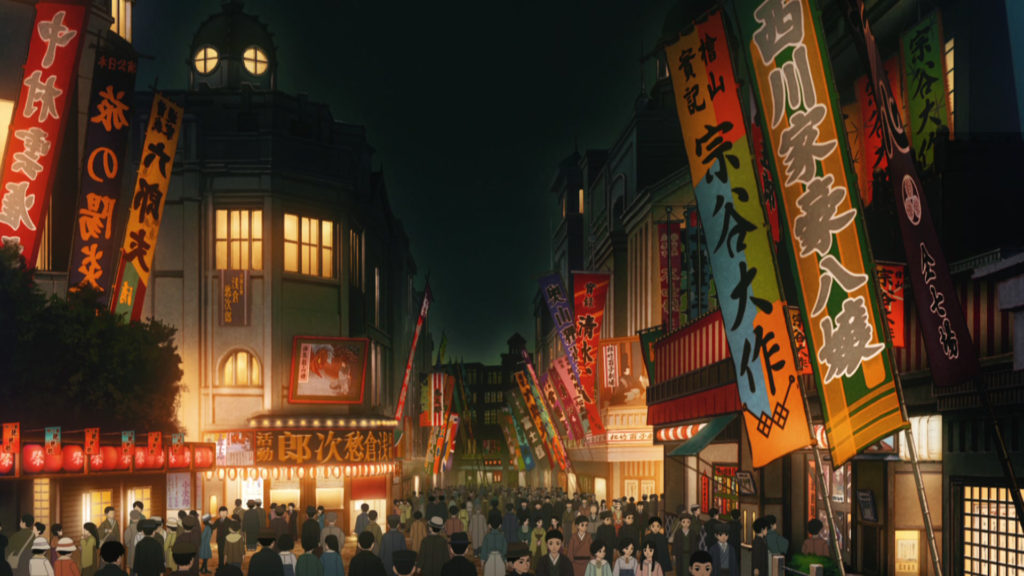
Demon Slayer is set in the Taisho period, which spans from 1912 to 1926. This was a time of great transformation in Japan, as the country was moving from the more traditional Meiji era to a period of Westernization and modernization. The show’s time period is integral to its atmosphere, influencing everything from the character design to the cultural themes explored in the story. The choice to set Demon Slayer in this era allows the creators to mix historical accuracy with supernatural elements, creating a rich, immersive world for fans to enjoy.
The Taisho Era: An Overview
The Taisho era was a time of significant change in Japan. It was an era of political reform, technological advancements, and cultural evolution, yet Japan was still deeply rooted in its traditional practices and samurai culture. This mix of old and new sets the perfect backdrop for Demon Slayer, a story that blends feudal and modern elements, as the characters navigate the complexities of a rapidly changing world while battling the supernatural.
Why the Taisho Period Matters for the Story
Setting the story in the Taisho period plays a crucial role in shaping Demon Slayer’s narrative. The historical context informs the characters’ motivations and the cultural environment in which they operate. The Demon Slayer Corps, for example, mirrors the samurai tradition, and much of the fighting style depicted in the show has strong roots in Japanese martial arts, which were prevalent during the period. At the same time, Japan’s rapid modernization in this era is reflected in the series’ portrayal of technological advancements and societal changes.
Understanding the Taisho Era and Its Significance
Historical Background of the Taisho Period
The Taisho period is often considered a transitional era in Japanese history. Following the Meiji Restoration (1868-1912), Japan had undergone massive changes, including industrialization, modernization, and Westernization. The Taisho period continued many of these trends, but it also saw the rise of new social movements and tensions between traditional values and new, more liberal ideals. This was also a period of political instability, which saw a shift in the balance of power in Japan.
Key Events of the Taisho Era Influencing Demon Slayer
Several key events from the Taisho period can be linked to the world of Demon Slayer:
- The influence of Western culture on Japan’s economy and society.
- The growth of urban centers where many of the story’s events take place.
- Social unrest and the rise of movements for political and social change.
- Technological advancements such as railroads, which helped shape the movement of characters across the landscape.
These events created an environment in which Demon Slayer’s characters must operate, providing context for their struggles and motivations.
Key Locations in Demon Slayer Set in the Taisho Period
The Rural Villages and Their Role
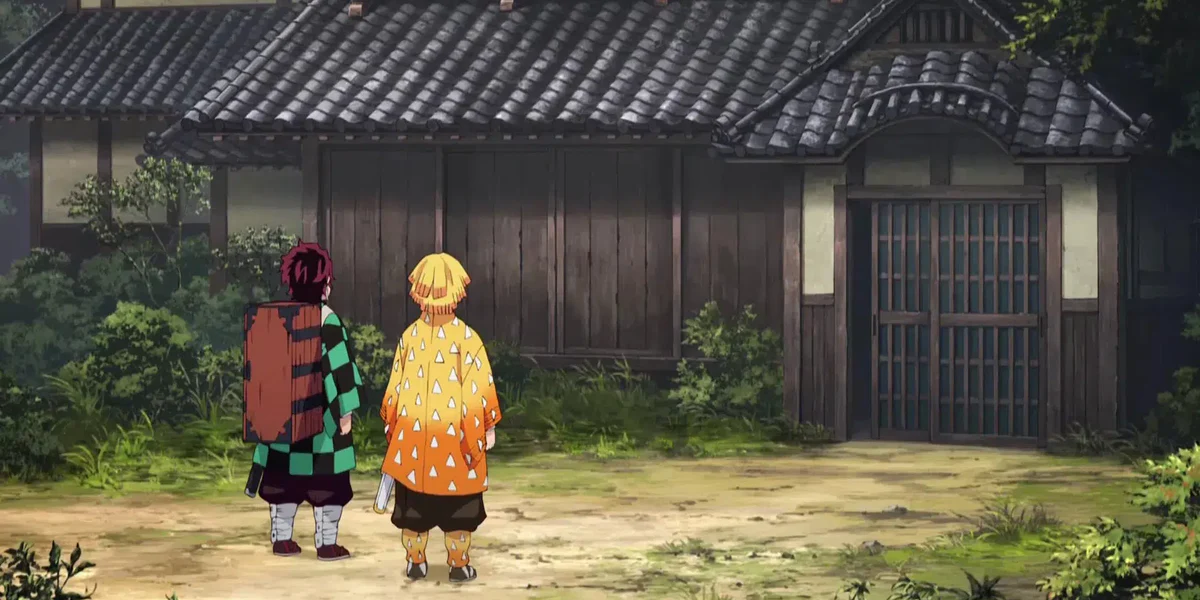
Much of Demon Slayer takes place in the countryside, where rural life reflects traditional Japan. The villages in the series are isolated from the technological advancements taking place in larger cities, and they are often depicted as being vulnerable to demonic attacks. The choice to set certain key battles in these rural areas emphasizes the contrast between old and new, with traditional values facing the threat of supernatural evil.
The Demon Slayer Corps and Its Historical Context
The Demon Slayer Corps operates as an organization dedicated to fighting demons, much like a samurai group from feudal Japan. The structure, hierarchy, and mission of the Corps are reminiscent of the samurai code, with Bushido (the way of the warrior) influencing their behavior. The historical setting in the Taisho era provides context for the Corps’ tradition-bound approach to warfare, and their honor-bound missions.
The Role of Samurai and Martial Arts in the Taisho Era
How Traditional Samurai Culture Influences the Series
Even though the Taisho period is technically post-samurai, the legacy of the samurai is still strong, especially in the Demon Slayer Corps. The warrior ethos and the Bushido code permeate the characters’ lives. The swordsmanship and martial arts skills of the characters, like Tanjiro Kamado and Kanao Tsuyuri, reflect the martial traditions of the samurai, while also incorporating fantasy elements unique to Demon Slayer.
Martial Arts in the Taisho Period: Real vs. Fiction
While Demon Slayer blends fantasy elements with real-world practices, it’s important to note that martial arts in the Taisho period were not as stylized or exaggerated as depicted in the show. However, the combat techniques shown in the series are influenced by traditional Japanese fighting styles, specifically kenjutsu (swordsmanship). The anime’s sword fighting is exaggerated for dramatic effect but rooted in the legacy of samurai techniques.
Technological and Cultural Shifts of the Taisho Era
Western Influence and Modernization in Japan
The Taisho period was marked by Western influences, particularly in areas like fashion, architecture, and technology. The rapid industrialization of Japan led to the growth of modern cities and new transportation systems, such as railroads, which play a role in Demon Slayer’s world. These modern influences, however, don’t replace Japan’s traditional values; instead, they coexist and sometimes clash, creating a tension that is evident in the series.
How These Changes Are Reflected in Demon Slayer
The Taisho era’s rapid changes are mirrored in Demon Slayer through the characters’ journeys. While the country is embracing new technologies, Demon Slayer’s characters still face an ancient evil: demons. This tension between the traditional and the modern creates a unique backdrop for the characters’ struggles and emphasizes the importance of preserving the past, even in the face of technological progress.
Social Structure and Class Division During the Taisho Period
The Role of the Upper Class in Demon Slayer’s World
The Taisho period was a time when Japan’s social hierarchy was shifting. The upper class still held significant power, but the rise of new industries and social movements was beginning to break down old systems. In Demon Slayer, the class divide is apparent in the way Demon Slayers and demons are depicted, with the Demon Slayer Corps serving as an elite force that fights evil. The upper class is not always portrayed positively, as some characters, like Kibutsuji Muzan, come from elite backgrounds and represent the darker side of power.
The Struggles of the Lower Class and Their Influence on the Plot
The lower class plays a pivotal role in Demon Slayer, as many of the characters come from poor backgrounds and face struggles that drive their actions. Characters like Tanjiro and Nezuko are from a humble family, and their journey reflects the hardship of the common people during the Taisho period. This social struggle adds depth to their motivations and makes their victories all the more impactful.
The Influence of Japanese Folklore in the Taisho Period
Demon Slayer’s Roots in Traditional Japanese Mythology
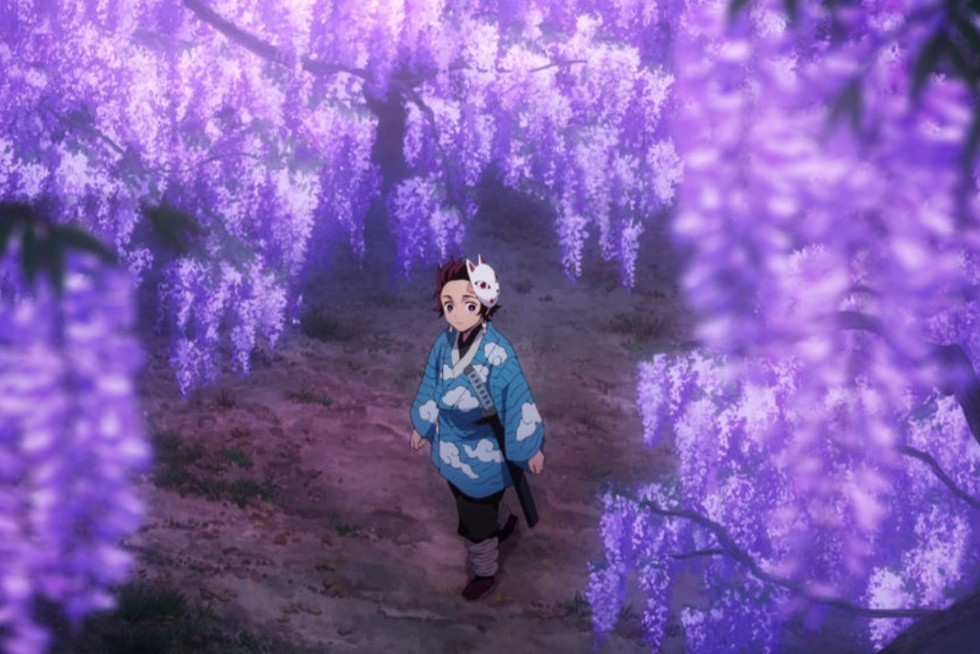
The demons in Demon Slayer are drawn from Japanese folklore, where creatures like oni (demons) and yokai (supernatural spirits) have long been part of the cultural consciousness. The Taisho setting is crucial for understanding how these mythological elements are incorporated into the story. Demon Slayer uses these folklore elements to create an immersive world, where ancient myths are brought to life in a modern, yet traditional, Japan.
The Portrayal of Yokai and Demons in the Taisho Era
In the Taisho period, belief in yokai and supernatural entities was still prevalent in rural areas, even as the country modernized. In Demon Slayer, the demons that the Demon Slayers fight are often modeled after traditional yokai, with powers and abilities drawn from Japan’s mythological history. The show does a remarkable job of blending the historical setting with fantastical elements, creating a seamless narrative that ties Japan’s past to its present.
How the Taisho Setting Shapes the Characters of Demon Slayer
The Impact of Historical Context on Tanjiro and Nezuko
The historical context of the Taisho period heavily influences Tanjiro Kamado and Nezuko. The social and technological changes of the era shape their personal struggles and motivations, as they live in a world transitioning between the old ways and the new, just as Japan itself is. Their family’s death, caused by demons, speaks to the harsh realities of the period, where traditional values are at odds with the supernatural forces they face.
The Role of Other Demon Slayer Corps Members in a Changing Japan
Other characters in the Demon Slayer Corps, like Zenitsu Agatsuma and Inosuke Hashibira, also reflect the changing times. Their diverse backgrounds and personal histories demonstrate the different ways people cope with the rapid changes happening in Japan during the Taisho period.
Cultural Significance of the Taisho Era in Demon Slayer
How the Taisho Period Reflects Japanese National Identity
The Taisho period is significant for its cultural influence on modern Japan, as it was a time of shifting identities. Demon Slayer portrays this cultural shift, showing how Japan’s rich traditions are intertwined with the evolution of the nation. The struggle between preserving old customs and embracing new technologies mirrors the broader societal tensions in the show.
Demon Slayer’s Approach to Portraying Japan’s Transformation
Demon Slayer handles the transition from feudal Japan to a more modernized country with grace, blending historical accuracy with fictional elements. The Taisho setting allows the show to explore these transitions while maintaining a sense of continuity with Japan’s spiritual and cultural roots.
Why the Taisho Setting Makes Demon Slayer Unique
Blending Historical Accuracy with Fantasy Elements
The Taisho period provides Demon Slayer with a unique setting that balances historical accuracy and fantasy elements. By rooting the story in a time of great change, the series offers a fresh take on traditional samurai and demon-fighting tropes.
The Timeless Appeal of the Taisho Era in Anime
The Taisho period offers a rich backdrop for storytelling, and Demon Slayer uses this period to great effect. By combining historical details with supernatural elements, the show appeals to both fans of historical drama and fantasy action.
Frequently Asked Questions about What Year is Demon Slayer Set In
What year is Demon Slayer set in?
Demon Slayer is set during the Taisho period of Japan, from 1912 to 1926.
Why is the Taisho period important for Demon Slayer?
The Taisho period is crucial because it represents a time of cultural transition in Japan, blending traditional samurai values with modernization.
What historical events influenced the setting of Demon Slayer?
The series reflects Japan’s industrialization, Westernization, and political changes during the Taisho era.
Does Demon Slayer accurately represent the Taisho period?
While Demon Slayer blends historical accuracy with fantasy, it captures the essence of Japan’s transformation during the Taisho period.
What role does the samurai code play in Demon Slayer?
The samurai code, or Bushido, influences the Demon Slayer Corps, which follows a warrior’s path to fight demons.
How does the Taisho setting affect the characters in Demon Slayer?
The social changes and technological advancements in the Taisho era shape the characters’ struggles and motivations.
Are there real-life locations in Demon Slayer?
While Demon Slayer takes place in fictionalized locations, it draws inspiration from real-life Japan during the Taisho period.
What is the significance of rural vs. urban settings in Demon Slayer?
The series uses rural villages to emphasize traditional life, contrasting with the modern cities of the Taisho period.
What cultural influences does Demon Slayer include from the Taisho period?
The Westernization of Japan, martial arts, and Shinto beliefs all play significant roles in the show.
Why is the Taisho era a good fit for Demon Slayer?
The Taisho period provides a rich historical context that blends tradition with modernity, enhancing the story’s themes of honor, sacrifice, and growth.
Demon Slayer beautifully captures the essence of the Taisho period, using its historical setting to amplify the characters’ emotional journeys and the series’ rich, culturally infused narrative.
You may also like:
When Do Demon Slayer Tickets Go on Sale? 5 Exciting Reasons You Can’t Miss This!
What is Demon Slayer Rated? 10 Surprising Reasons You Need to Know!
Does America Exist in Demon Slayer? 10 Facts You Need to Know!
