
Several major characters die across the story, including key Demon Slayer Corps allies and multiple Hashira, especially as the series reaches its endgame arcs. In this ComicK guide, we lay out the answer in a clear spoiler structure and focus on 9 brutal losses that matter most, using canon arc context so you understand not just who dies, but why each death hits so hard.
Next, we’ll walk through the nine most unforgettable deaths, what they change in the story, and how to avoid getting misled by out-of-order “death lists” online.
Who Dies in Demon Slayer?
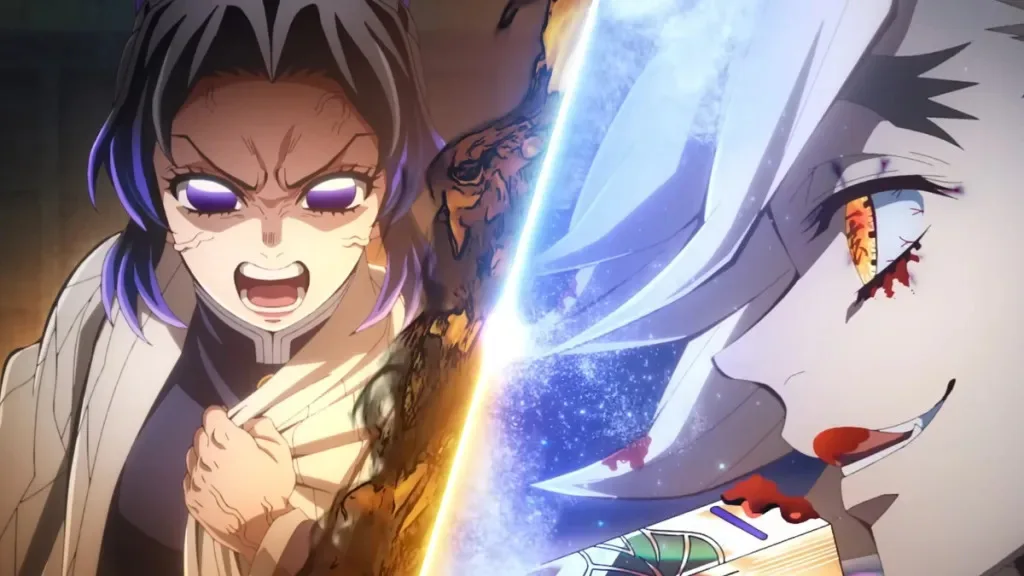
If you’re asking “who dies in demon slayer” but you do not want the entire endgame spoiled, here’s the reality you can prepare for without reading a name-by-name fatality list.
Demon Slayer kills characters in three main categories
- Mentors and icons
The series frequently uses powerful, admired figures to teach a brutal lesson: strength does not guarantee survival. When these characters die, it changes the emotional weather of the whole story.
- Allies who choose sacrifice
Some deaths are not sudden. They’re strategic, intentional, and tied to a plan that only works if someone is willing to pay the final cost.
- Major villains (often with tragic backstories)
Demon Slayer is not shy about killing demons. What makes those deaths memorable is how often the story forces you to feel something for them even while condemning what they did.
What you can expect without specific endgame spoilers
- Yes, important characters die. This is not a series where plot armor reliably protects everyone you love.
- Yes, the Hashira era is deadly. As the story approaches its final battles, the casualty rate rises sharply.
- Yes, some deaths are designed to be “unfair.” Demon Slayer isn’t trying to be comforting. It’s trying to be honest about war.
If you’re ready for the full list, keep going.
The 9 Brutal Losses You’ll Never Forget
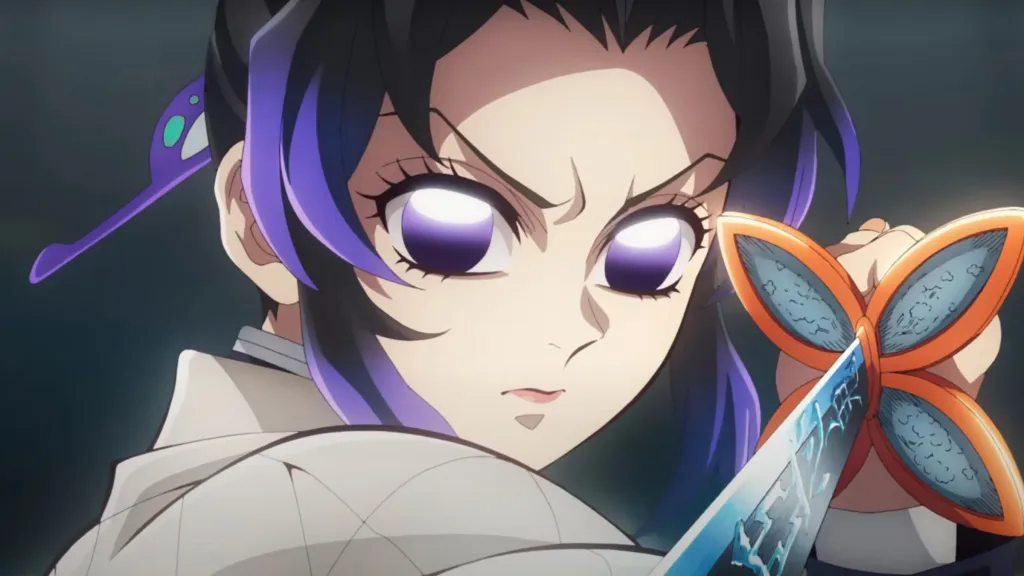
This section is fully spoiler-forward. Each entry focuses on what happens, why it matters, and what the story takes from you when that character is gone.
Kyojuro Rengoku
Rengoku’s death is one of the franchise’s defining emotional earthquakes. Even people who know it is coming often describe the moment as “unreasonably painful” because Demon Slayer makes him feel like the future, not a temporary flame.
What makes this loss brutal
Rengoku is positioned as a template: what a Hashira should be, what courage looks like when it’s clean, and what leadership means without bitterness. He arrives like a promise. Then the story breaks that promise to prove a point.
Why it changes the entire series
After Rengoku, Demon Slayer’s tone hardens. The characters learn that:
- Being noble does not save you.
Rengoku doesn’t die because he’s careless. He dies because the world is stronger than fairness. - Some victories are measured in what you prevent, not what you survive.
The emotional cruelty is that the “win” is real, but the cost is permanent. - Grief becomes fuel, and fuel becomes obsession.
For the protagonists, the loss is not only sadness. It becomes a new kind of drive, heavier and more dangerous.
ComicK team share: If you want to understand why Demon Slayer fans talk about “the moment the series changed,” this is usually the answer. Rengoku’s death isn’t only a loss of a character. It’s a loss of the illusion that the story will protect the good.
Kagaya Ubuyashiki
Kagaya is not a front-line fighter, but his death is one of the most consequential in the entire narrative. It’s a loss that functions like a match thrown into a room full of gasoline.
What makes this loss brutal
Kagaya embodies calm leadership. He carries the Corps on strategy, patience, and moral clarity. When he dies, it is not an accident. It is a deliberate act of war.
Why it matters more than it seems
Kagaya’s death is a statement about what it takes to defeat evil at the highest level:
- The leader is willing to become a weapon.
This is not leadership as speech-making. It is leadership as sacrifice. - The series stops pretending the war has rules.
The escalation becomes undeniable: the final conflict is not a duel, it is annihilation. - It forces every surviving character into the endgame.
After this moment, the story’s pacing changes. Everyone is dragged into the final battle framework, ready or not.
Kagaya’s loss hurts because it’s not emotional in the usual way. It’s cold. It’s controlled. And that control makes it frightening.
Shinobu Kocho
Shinobu’s death is one of Demon Slayer’s most ruthless examples of strategy colliding with grief. It’s not simply “a hero dies.” It’s “a hero engineers her own death as a weapon.”
What makes this loss brutal
Shinobu is defined by contradiction: a calm smile covering a core of rage, a gentle voice carrying lethal intent. Her death is brutal because it reveals the depth of her commitment to revenge, and the cost of turning your body into a plan.
Why it’s one of the most important sacrifices
This is a death that exists to create possibility. It is part of a larger strategy, a chain of actions that can only work if someone is willing to disappear.
It hits hard because it forces the viewer to accept three painful truths:
- Hatred can be disciplined.
Shinobu’s anger isn’t chaotic. It’s focused into something terrifyingly precise. - Brains don’t always beat monsters without blood.
The plan is intelligent, but it still demands a life. - Some characters are written to burn completely.
Shinobu does not get a soft ending. She becomes a tool, willingly, and that choice is horrifying.
ComicK team share: Shinobu’s death is one of those moments where fans stop debating “who is strongest” and start talking about “who paid the most.” Strength is not only physical in Demon Slayer. Sometimes it looks like choosing an ending you hate because it gives others a chance.
Muichiro Tokito
Muichiro’s death is tragic because it happens after he finds himself. Demon Slayer doesn’t take him before his character arc. It takes him after, when he finally feels like a full person.
What makes this loss brutal
Muichiro begins as distance, talent without warmth. Then the story gives him meaning: memory, connection, responsibility. When he dies, it feels like the series is punishing hope.
Why his death lands differently
Muichiro’s death isn’t only sad. It’s existential. It asks a question Demon Slayer keeps asking in different ways:
- What is the value of a life that ends young but changes others?
- Does meaning compensate for time stolen?
- Is becoming yourself worth it if you only get to be yourself briefly?
His death is also a reminder of how the final battles operate. Even prodigies get overwhelmed. Even the blessed get broken. The series makes sure you understand that no one is safe, especially not the gifted.
Genya Shinazugawa
Genya’s death is one of the most emotionally violent because it’s built on the relationship that matters most to him: his brother. It’s not a death that happens in isolation. It happens inside a family wound that never fully heals.
What makes this loss brutal
Genya is not a “perfect swordsman.” He’s defined by grit, stubbornness, and a desperate need to prove he belongs. Demon Slayer makes you root for him because he is trying so hard with less natural advantage than others.
Then it takes him.
Why it breaks fans
Genya’s death hits because it’s layered:
- It’s the death of someone who never stopped fighting to be seen.
His entire arc is a plea: “I matter too.” - It’s tied to reconciliation that arrives too late.
The tragedy isn’t only the death. It’s the timing of the emotional closure. - It weaponizes tenderness.
Demon Slayer doesn’t just kill Genya. It makes you watch what his death does to the person who loves him and failed him.
If Rengoku’s death teaches the protagonists that heroes die, Genya’s death teaches something uglier: sometimes the story kills the character who deserved a longer life simply because that’s what war does.
Mitsuri Kanroji
Mitsuri’s death hurts because she’s written like sunlight. Demon Slayer doesn’t only kill a fighter. It kills softness, warmth, and the idea that love is safe.
What makes this loss brutal
Mitsuri is emotionally open in a story full of trauma. She doesn’t just fight. She loves loudly. That’s rare in Demon Slayer, and the series understands what it’s doing by taking her away.
Why her death matters thematically
Mitsuri represents a different answer to the series’ core question: how do you survive grief?
Her answer is love. Connection. Food, joy, friendship, romance, devotion.
When she dies, Demon Slayer is saying:
- Love does not protect you.
- Kindness does not earn mercy.
- Being bright does not mean the world will spare you.
This is why her loss feels unfair, and why it stays with fans. Some deaths are tragic because a character fails. Mitsuri’s is tragic because she doesn’t fail as a person. She simply loses to the scale of the fight.
Obanai Iguro
Obanai’s death lands as a culmination of restraint. For much of the story, he is controlled, suspicious, and harsh. His loss is brutal because it arrives with a kind of emotional clarity he rarely allows himself.
What makes this loss brutal
Obanai is the type of character that anime often keeps alive as a cynic who learns to soften. Demon Slayer chooses a harsher path: it lets him soften, then takes him away.
Why fans remember it
Obanai’s death is remembered because it carries two heavy elements:
- Redemption without comfort.
He does not get a long peaceful afterlife scene. The series gives him sincerity and then ends him. - Connection at the edge of annihilation.
The story uses his final moments to show what he truly wanted, and how little time he has to hold it.
Obanai’s loss is a reminder that Demon Slayer is not a “later” story. It’s a “now” story. The characters don’t get endless chances to become better. Sometimes they become better and die immediately afterward.
Gyomei Himejima
Gyomei’s death is monumental because he is framed as the strongest, the most grounded, and the most spiritually steady. When the strongest falls, the audience is forced to accept the real scale of the threat.
What makes this loss brutal
Gyomei is not only physically powerful. He’s morally stable. That stability is rare in Demon Slayer, where many characters are running on pain.
When he dies, it feels like the story is tearing down the last pillar.
What his death communicates
Gyomei’s death is the final proof that the endgame is not about glory. It’s about survival at terrible cost.
It also sends a brutal message:
- Even the strongest can only buy time.
Gyomei’s role is often to create openings, not to “win” cleanly. - Faith and discipline do not guarantee survival.
The series doesn’t treat him as protected because he is virtuous. - The end requires everything.
When Gyomei dies, it confirms that Demon Slayer’s finale is designed to strip the Corps down to its bones.
ComicK team share: Fans argue about power scaling constantly, but Gyomei’s loss usually ends the argument in a different way: strength is not a shield, it’s a resource the story spends.
Tamayo
Tamayo’s death is a unique kind of heartbreak because she is both victim and agent. She is a demon who chose to resist demonhood, and her life becomes the backbone of one of the story’s most important plans.
What makes this loss brutal
Tamayo’s death hurts because it’s not only tragic. It’s quietly noble. She spends her existence trying to correct an evil that shaped her.
In many stories, the “ally with a dark past” gets a redemption that includes survival. Demon Slayer chooses a more severe redemption: contribution at the cost of life.
Why her death is essential to the story’s logic
Tamayo represents a principle Demon Slayer keeps reinforcing:
- Victory is built on the work of people who don’t get credit.
- The final blow is rarely just one sword swing.
- A war is won by plans, not only by heroes.
Her loss also deepens the series’ theme that demons are not simply monsters. Some are prisoners. Some are survivors. Some fight back in the only ways they can.
Why Demon Slayer Deaths Hurt More Than Most Shonen Series
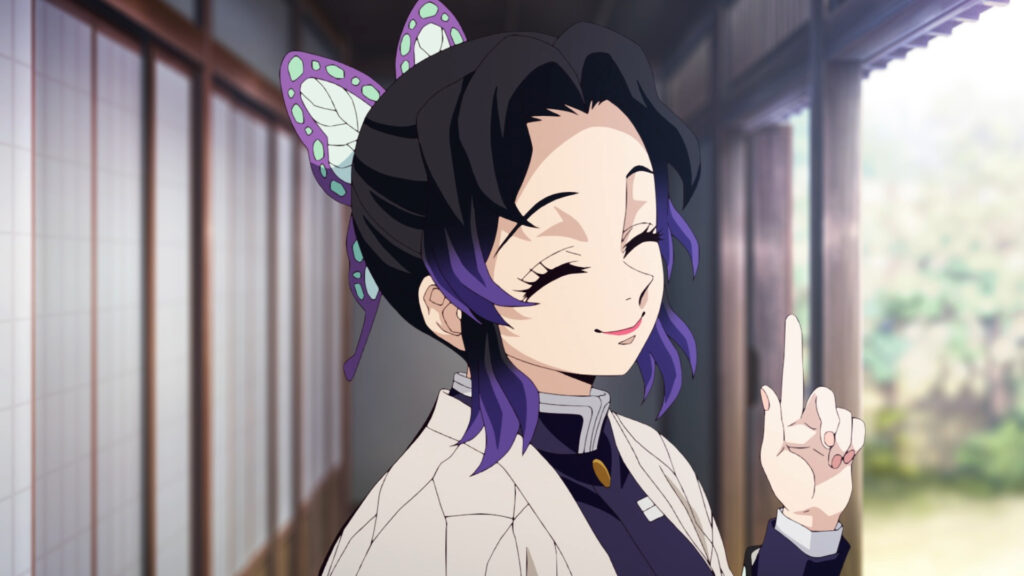
If you’ve watched a lot of action anime, you’ve seen major deaths. Demon Slayer still hits differently for several reasons.
The series makes you love people quickly
Demon Slayer’s writing is efficient. It builds attachment through:
- Clear personal values
Characters stand for something that feels simple but real. - Small human rituals
A meal, a smile, a habit, a vow. These details make the characters feel lived-in. - Immediate moral stakes
The series doesn’t ask “can they win?” only. It asks “what will winning cost?”
When a character dies, it doesn’t feel like plot housekeeping. It feels like a human rupture.
The story treats death as an inheritance
Many deaths in Demon Slayer are not endings. They’re transfers.
A fallen character leaves behind:
- a technique
- a lesson
- a fear
- a promise
- a responsibility that someone else must now carry
That is why people rewatch Demon Slayer and cry at moments that are not even deaths. They are the moments where a character is unknowingly passing something forward.
The demons’ deaths can be tragic too
Even if you feel no sympathy for a demon’s crimes, Demon Slayer often forces you to witness what made them possible: poverty, abuse, abandonment, desperation, twisted love.
This does not excuse them. But it adds complexity. It means the act of killing a demon sometimes feels like:
- justice
- relief
- tragedy
- mourning
All at the same time.
How to Read or Watch This Without Ruining Yourself
If you came here because you’re scared of spoilers but also scared of heartbreak, here’s a clean approach.
If you want minimal spoilers but want to be emotionally prepared
- Accept that major characters die.
- Avoid full lists of names.
- Read only broad statements like “Hashira losses happen in the endgame.”
- Stop your scrolling when you see arc names you haven’t reached yet.
If you want full spoilers because you hate surprise tragedy
- Read the nine losses section carefully.
- Look up the arc order afterward so you know when each death occurs.
- Decide whether you want to binge quickly through the dangerous arcs or pace yourself.
If you want a compromise
Use this rule: Spoil the category, not the identity.
For example:
- “A Hashira dies in this arc” (category)
instead of - “This person dies” (identity)
It keeps you emotionally braced without taking away every twist.
ComicK team share: Some readers enjoy Demon Slayer more when they know a death is coming, because it lets them pay attention to the character’s final choices, not just the shock. If you’re that type of reader, controlled spoilers can actually deepen the experience.
Common Questions Fans Ask After Seeing These Deaths
This topic always leads to the same follow-ups, so let’s clear them quickly.
Do the main trio die?
Most fans asking this mean Tanjiro, Zenitsu, and Inosuke. The short answer is: the story is brutal, but it does not treat the core trio as disposable in the same way it treats many supporting fighters. The endgame is dangerous, and the series plays with the idea of irreversible loss, but it is not a “everyone dies” finale.
Does Nezuko die?
Nezuko’s fate is one of the story’s central engines. Demon Slayer uses her as both a person and a symbol, and the series is careful about how it resolves that symbol. If you’re looking for the simplest reassurance: the story does not exist to punish Nezuko as a shock tactic. Her arc has intention, not randomness.
Do all Hashira die?
No, not all. But many do. If you’re preparing emotionally, assume that the final battles will not spare the Corps’ strongest fighters. Demon Slayer treats the Hashira as the story’s greatest assets and the story’s most expensive currency.
FAQ
FAQ
Who dies in Demon Slayer?
Many characters die, including major allies and several Hashira, especially as the story reaches its final battles. If you want a concentrated list of the most impactful losses, this article’s “9 Brutal Losses” section is the clearest spoiler-forward answer.
Who is the first major death that shocks most fans?
For many viewers, Kyojuro Rengoku is the first death that makes it clear Demon Slayer is willing to kill characters people expected to last much longer.
Does Rengoku die in Demon Slayer?
Yes. His death is one of the series’ most defining turning points and changes the emotional tone of everything that follows.
Does Shinobu die in Demon Slayer?
Yes. Shinobu’s death is tied to strategy and sacrifice, and it becomes one of the most important “plan-based” losses in the story.
Does Genya die in Demon Slayer?
Yes. Genya’s death is one of the most emotionally brutal because it’s deeply connected to family trauma and reconciliation.
Does Tanjiro die in Demon Slayer?
Tanjiro faces extreme endgame consequences and the story flirts with irreversible outcomes, but it is not written as a simple “Tanjiro dies” conclusion. His fate is more complex than a clean yes or no.
Does Nezuko die in Demon Slayer?
Nezuko’s storyline is central to the entire series. Without spoiling the full resolution in one sentence, the story treats her fate as a thematic conclusion, not a random shock death.
How many Hashira die in Demon Slayer?
Several Hashira die, particularly in the final battles, but not all of them. The endgame is designed to feel like a war, and the casualties reflect that.
Are the deaths different between the manga and the anime?
The core deaths are the same because the anime adapts the manga story. The difference is timing: the anime reveals them later, and the emotional presentation can feel different due to voice acting, music, and pacing.
If I only watch the anime, will I see all these deaths yet?
Not all of them. The TV seasons cover earlier arcs, while many of the most devastating losses occur in the finale era that continues the story beyond the Hashira Training point.
You may also like:
How Many Seasons of Demon Slayer? 7 Shocking Facts Every Fan Should Know
Is Demon Slayer Anime Finished? 10 Critical Facts to Stop the Rumors Fast
When Did Demon Slayer Come Out? 7 Heartbreaking Reasons Its Timing Matters
